
We celebrated Earth Day in Alicante
17 | 09 | 2026The University of Alicante, Vectalia and the Foundation are organising a conference to raise awareness of global desertification and the need to protect biodiversity
To mark Earth Day, the Vectalia Group and the Foundation, in collaboration with the University of Alicante, have organised a range of activities to highlight the need to preserve the planet and protect biodiversity.
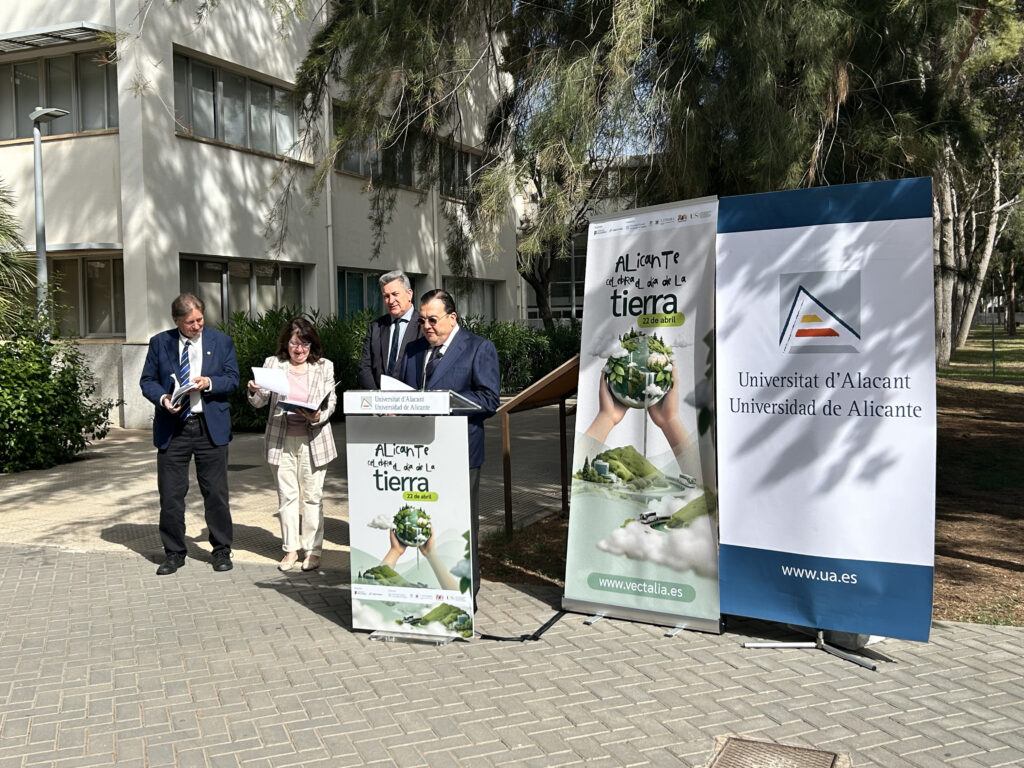
The event was opened at the monolith opposite the Faculty of Philosophy and Humanities and featured a speech by Amparo Navarro, Vice-Chancellor of the University of Alicante, who highlighted the great responsibility students bear as “guardians of a sustainable campus and a better world” during her speech, in which she emphasised the campus’s firm commitment to the environment and highlighted the figure of Ramón Martín Mateo, the University’s first Vice-Chancellor and a leading authority on environmental law, as an example of the institution’s environmental legacy. She also highlighted the role of two researchers from the University and recipients of the Rei Jaume I Prizes, Javier García and Carmen Herrero, “for their work towards making the air more breathable and for reminding us that healthcare expenditure and inequality are linked to the crises arising from climate change”.
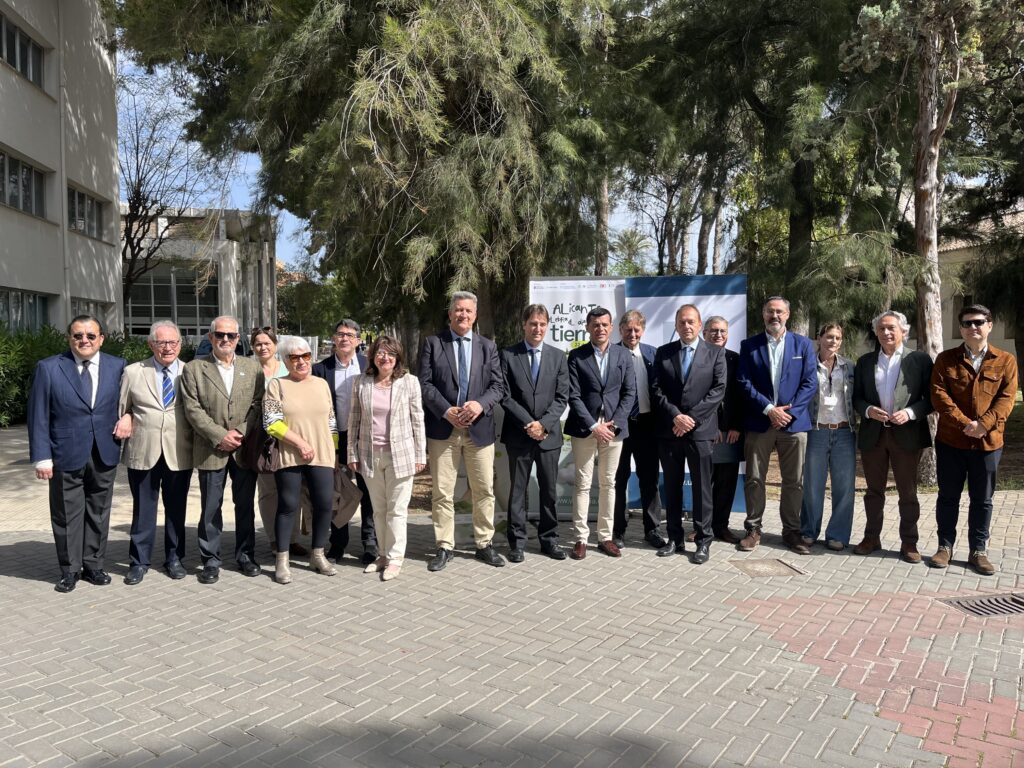
Javier Quesada, president of the Fundación Premios Rei Jaume I, expressed his satisfaction at the event and pointed out that “at a time when science was not being discussed in Spain, our foundation began awarding prizes with highly competent and objective juries, comprising mainly Nobel Laureates. Antonio Arias, president of the Vectalia Group, highlighted his ongoing commitment to the environment and sustainability, as demonstrated by initiatives such as the renewal of the bus fleet to reduce pollution and the reforestation projects carried out in the mountains around Alicante. Finally, the Generalitat Valenciana’s Regional Minister for the Environment, Vicente Martínez Mus, pointed out that “looking after nature is looking after ourselves” and highlighted Alicante’s environmental wealth despite facing challenges such as water scarcity and desertification. He mentioned that the Comunitat Valenciana is home to exceptional biodiversity “with more than 20,000 recorded species, 338 species of vertebrates and nearly 2,900 species of native flora”, and cited the province’s water reuse programme as an example for the whole country.
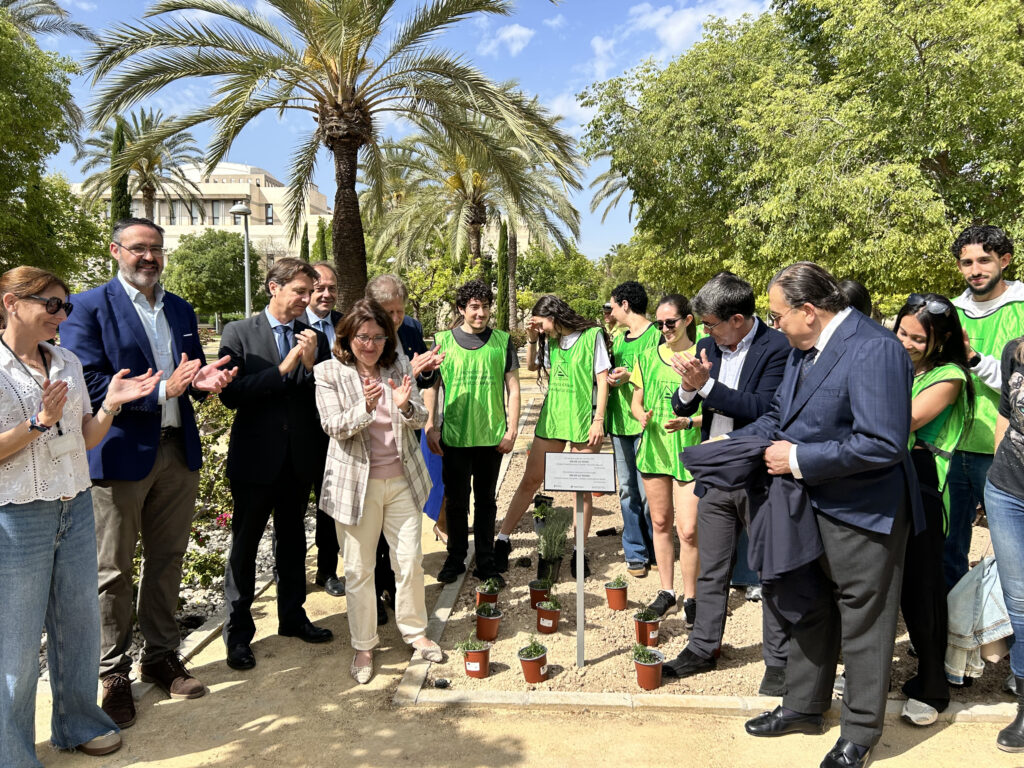
Following the opening ceremony, pupils and teachers took part in a guided tour of the Geological Time Line, an educational exhibition that helps visitors understand the Earth’s evolution. They also planted native trees and aromatic plants on the campus as part of a symbolic and educational initiative aimed at promoting sustainability and respect for the natural environment.
The event moved to the Casa Sicilia Winery in Novelda, where guided tours of the estate were held, the Mediterranean garden dedicated to Doña Julia was unveiled, and the documentary “La bodega y la tierra” (The Winery and the Land) was screened for the first time, highlighting the estate’s connection with the local area and its traditions.
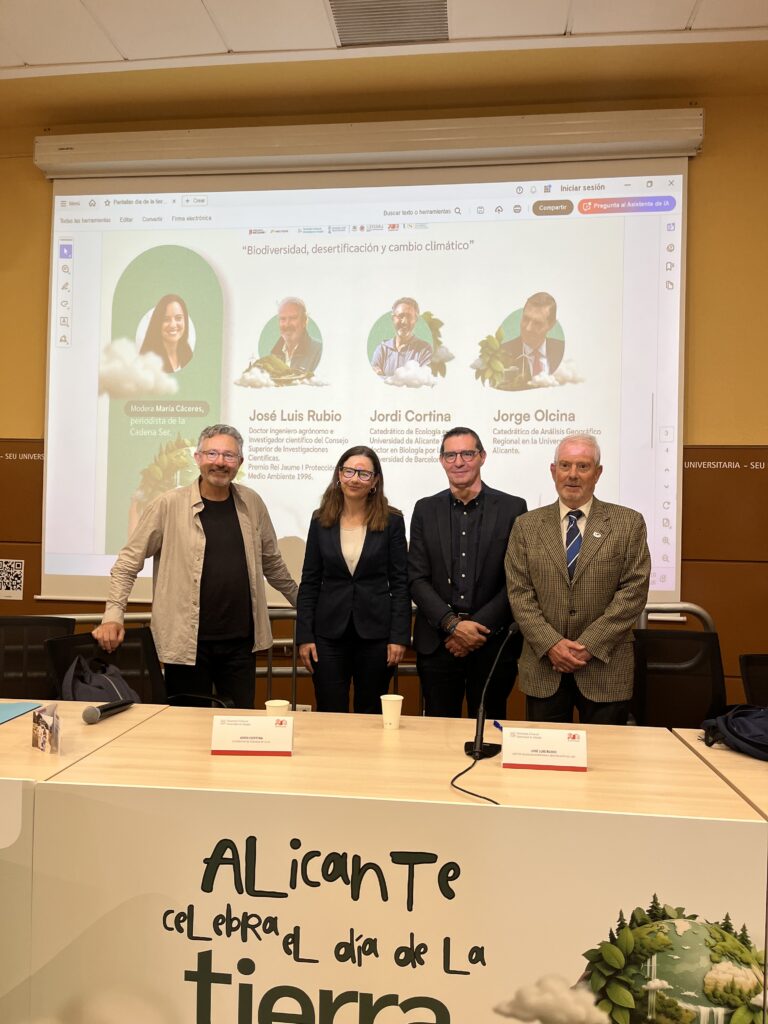
In the afternoon, the Altamira Hall at the UA’s University Campus hosted the scientific debate ‘Biodiversity, Desertification and Climate Change’, moderated by the journalist María Cáceres from Cadena Ser in Alicante, which focused on the environmental challenges of the 21st century. Participants included José Luis Rubio, winner of the 1996 Rei Jaume I Prize for Environmental Protection, a doctor of agricultural engineering and a scientific researcher at the CSIC; Jordi Cortina, Professor of Ecology at the University of Alicante and holder of a PhD in Biology from the University of Barcelona; and Jorge Olcina, Professor of Regional Geographical Analysis at the University of Alicante, where he teaches courses in Spatial Planning, Climatology and Natural Hazards.
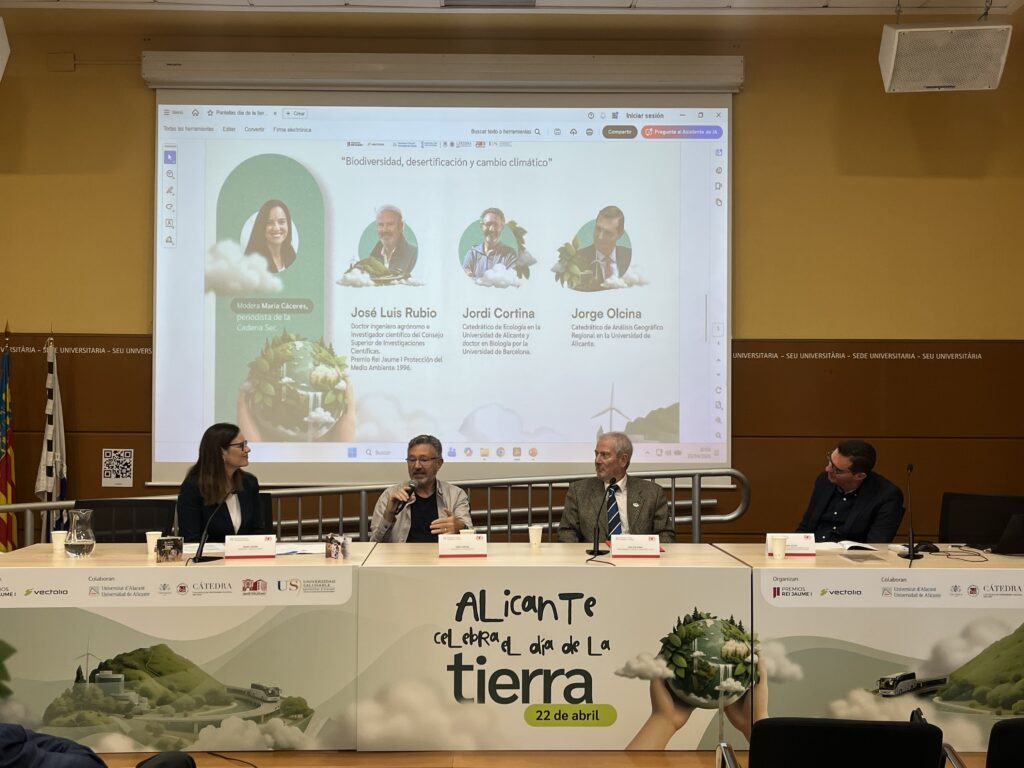
If you’d like to watch the debate at the University of Alicante:

