
A holistic approach to neuropathic pain aims to preserve patients’ independence and quality of life
03 | 11 | 2026The 19th conference on pain brings together content on diagnosis, phenotypes, treatments, nutrition, physical exercise and regenerative medicine
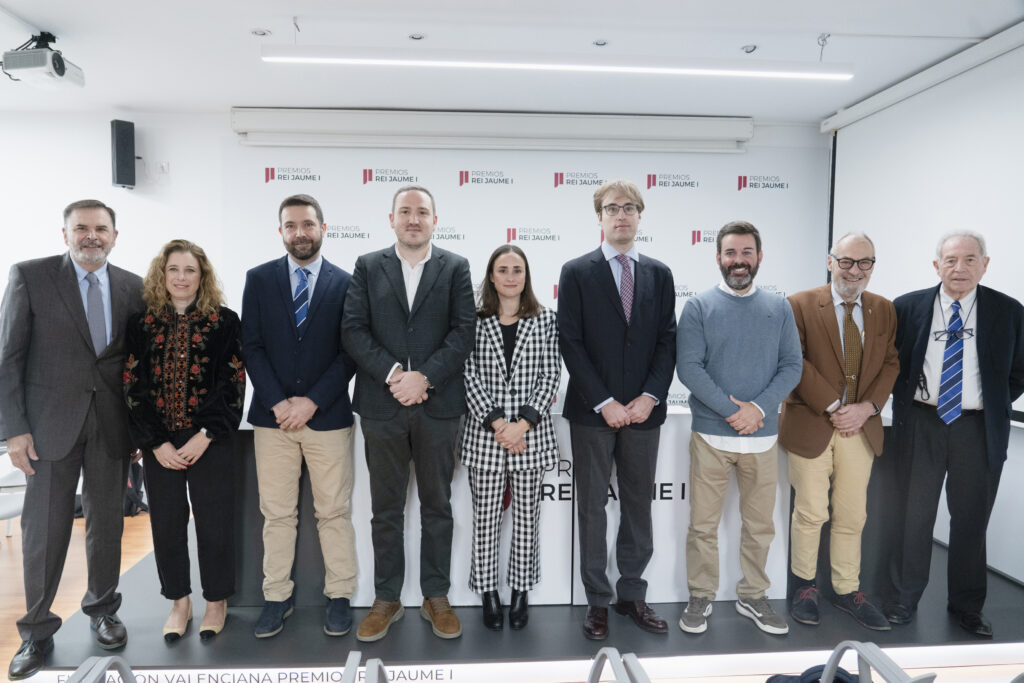
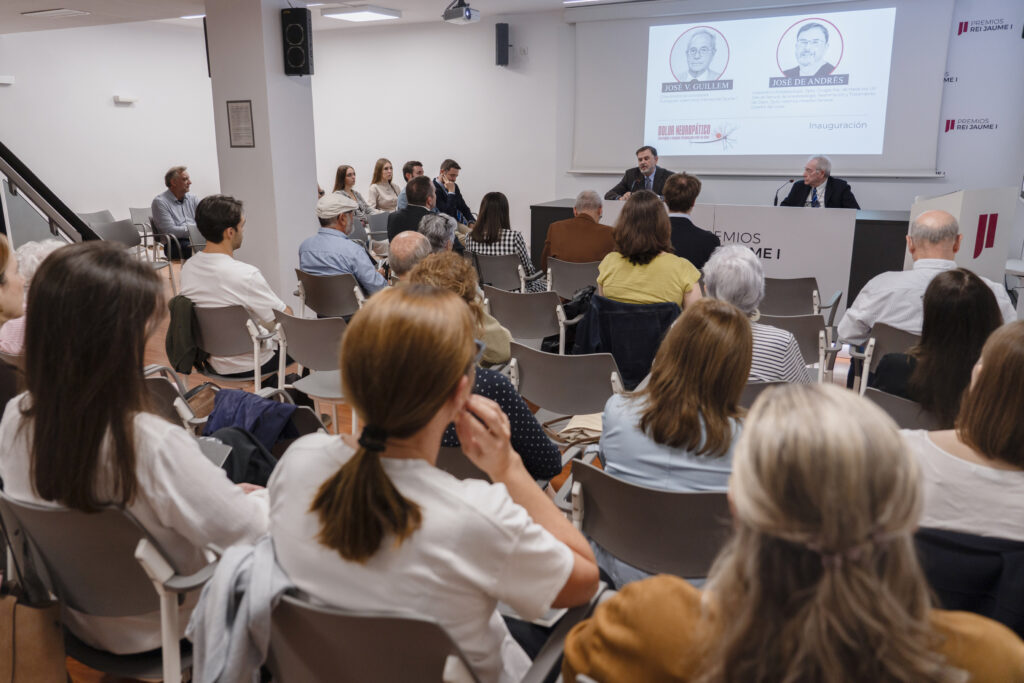
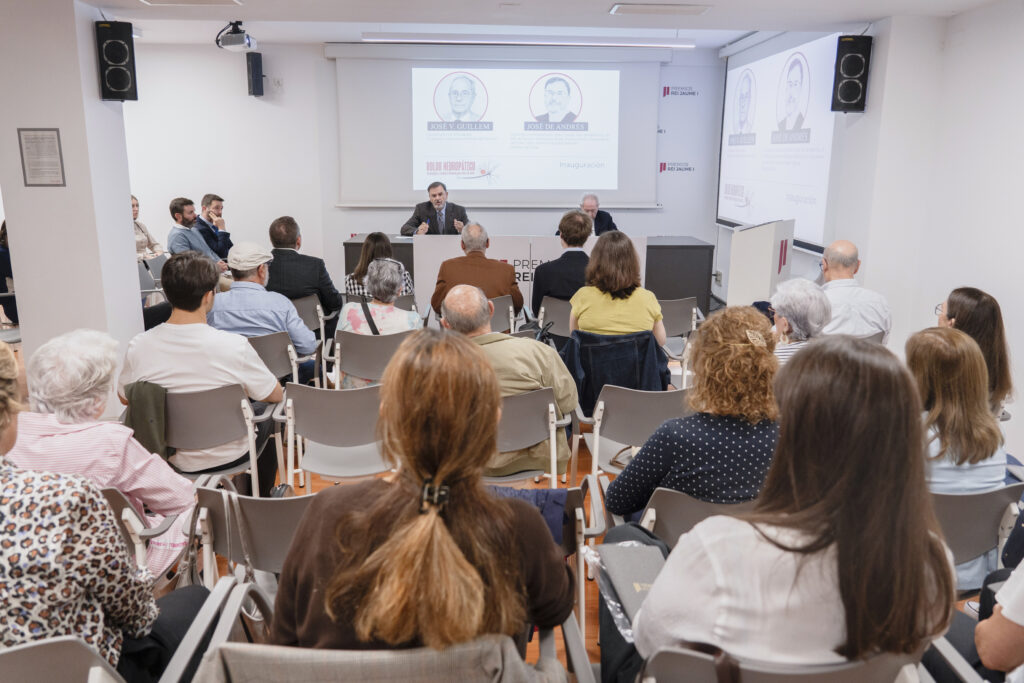
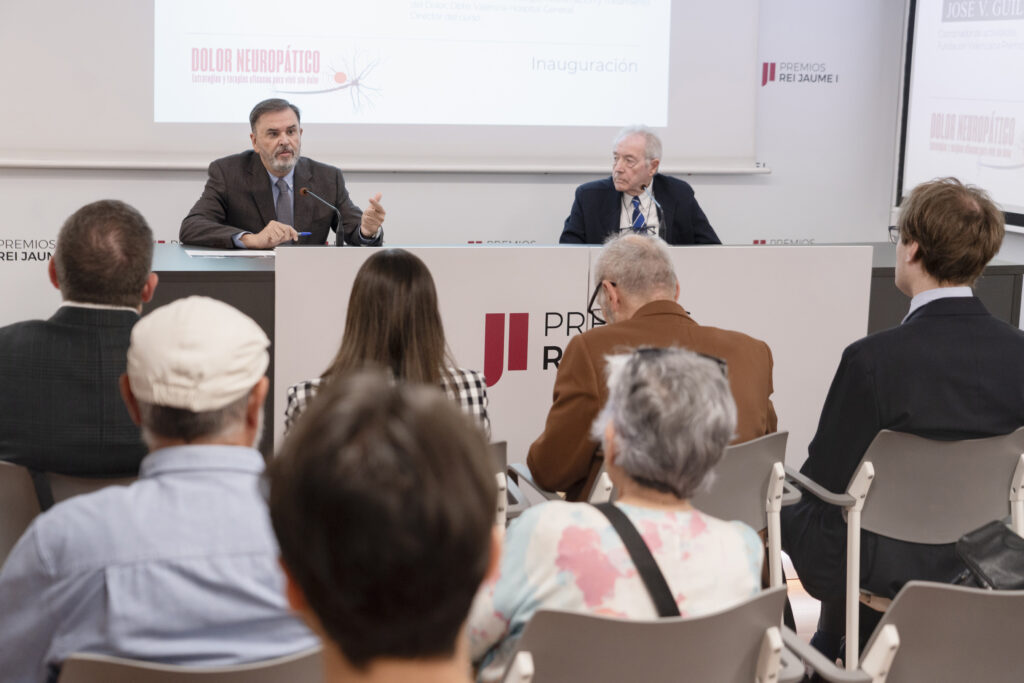
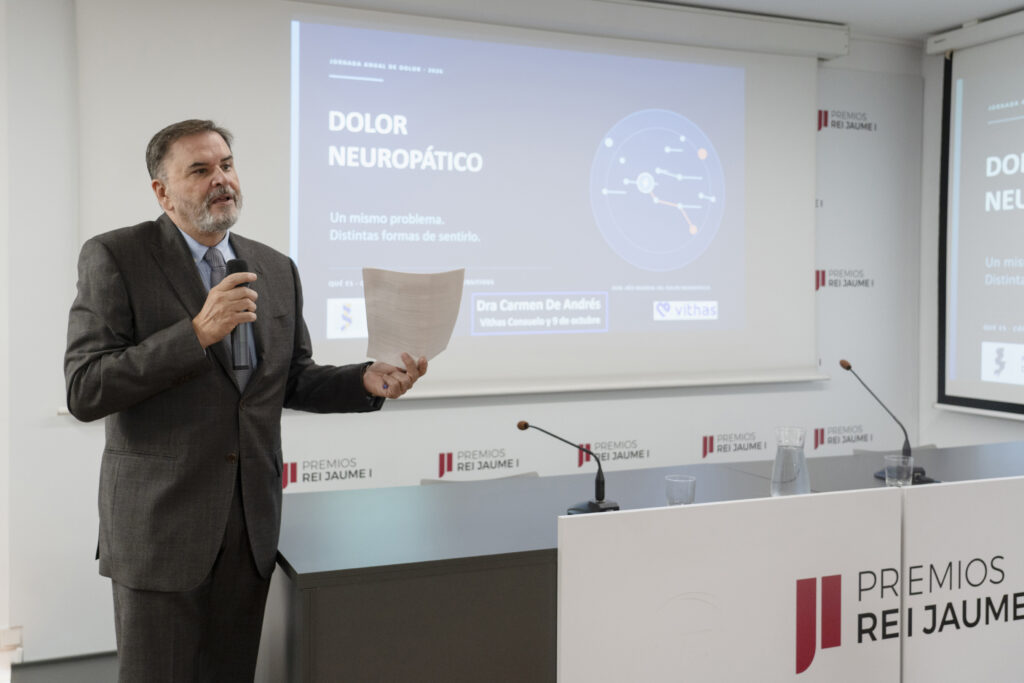
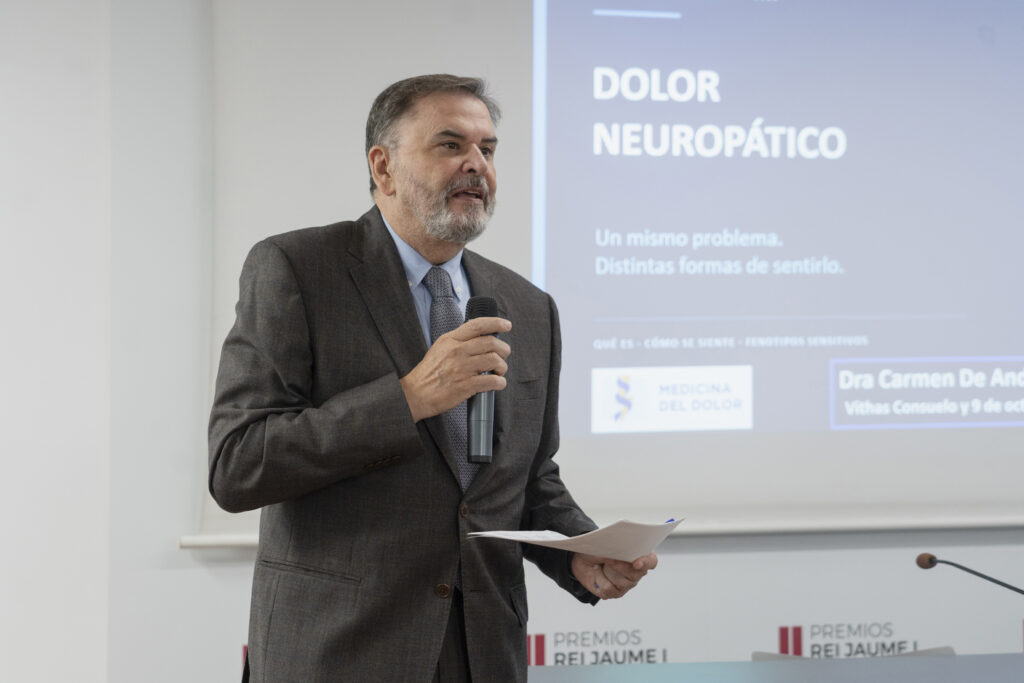
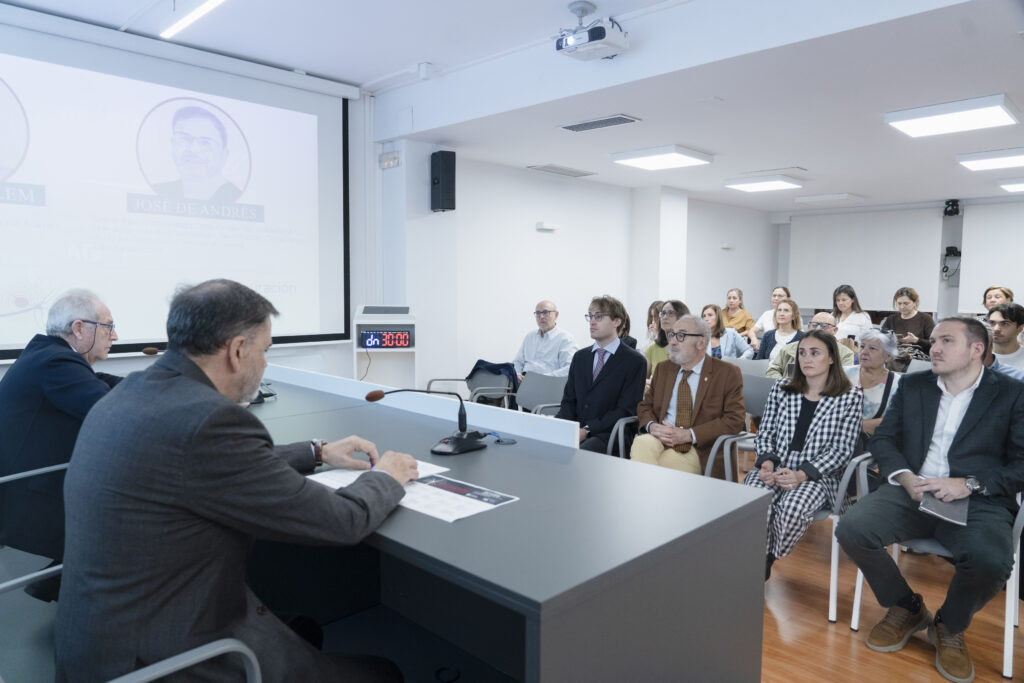
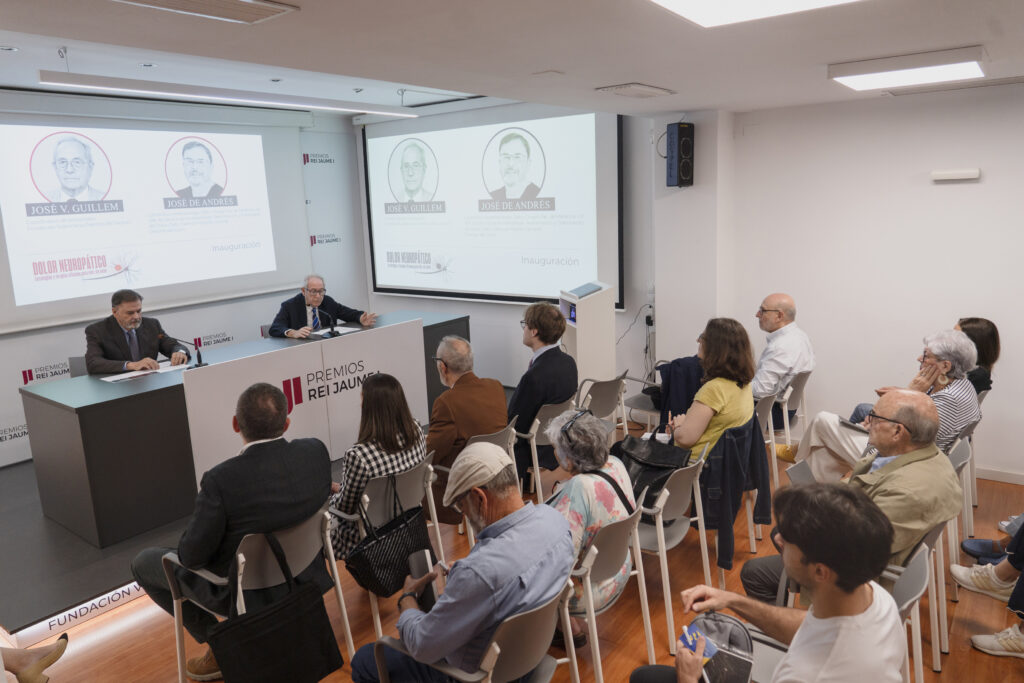
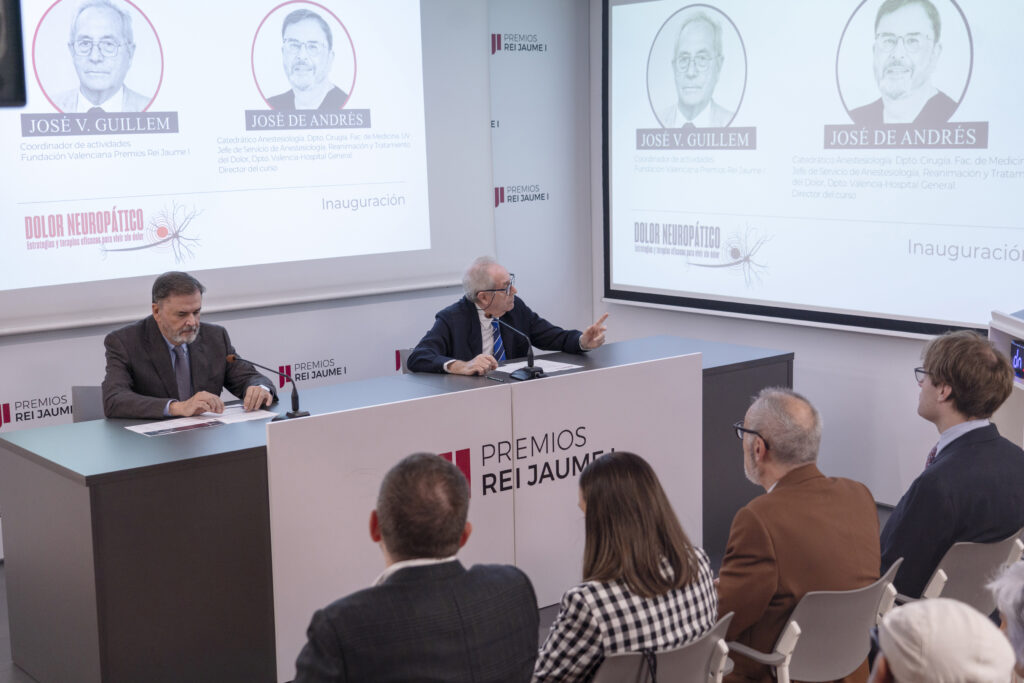
The 19th edition of the conference entitled ‘Pain is Preventable’, organised by the Foundation in collaboration with Dr De Andrés, Professor of Anaesthesiology at the Faculty of Medicine of the University of Valencia, has taken place. This year’s event focused on addressing neuropathic pain from a holistic perspective, combining diagnosis and available treatments with measures aimed at maintaining people’s independence and quality of life.
According to its scientific director, Dr De Andrés, “society is increasingly demanding appropriate pain management. Diagnosis is important, but the most important thing is that, whatever illness you have, you can enjoy a good quality of life,” he said.
The specialist pointed out that, over the last 19 years, our understanding of ageing has also changed. Rising life expectancy and the growing population aged 60 or 65 and over mean that many people want to lead active and fulfilling lives. In this context, maintaining independence is essential.
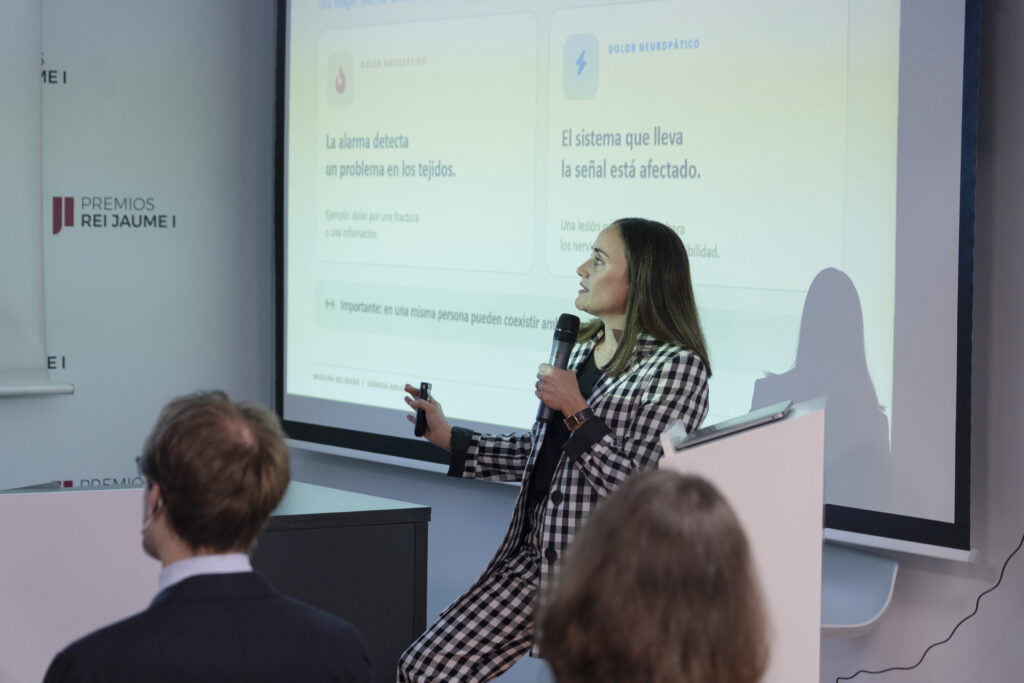
What is neuropathic pain?
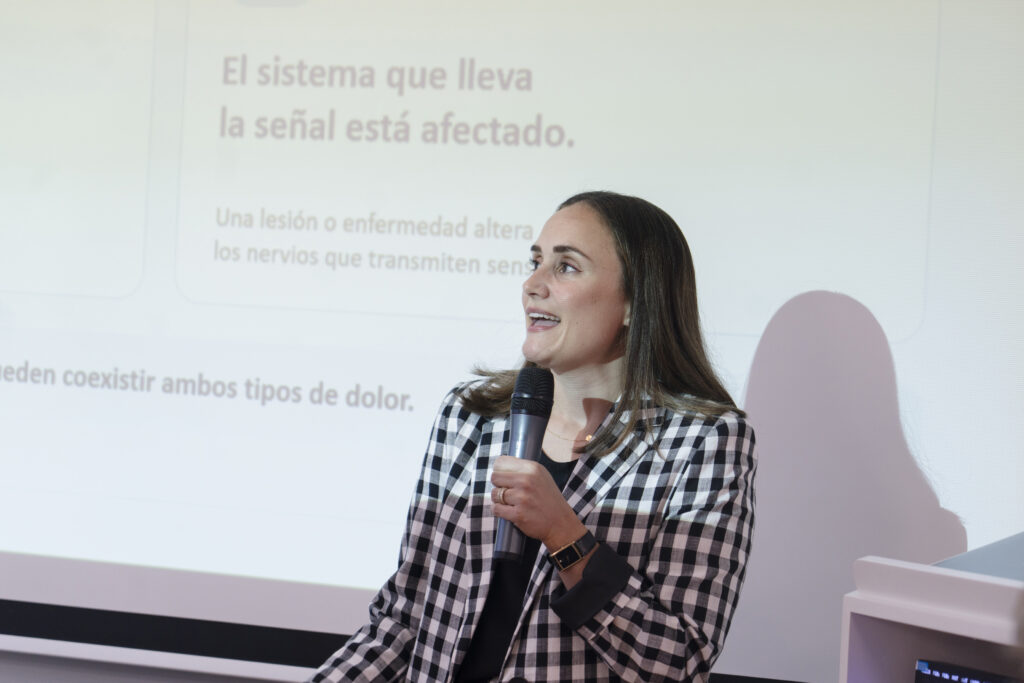
Neuropathic pain is associated with damage to or a dysfunction of a nerve. It can manifest as pain, stinging, tingling, cramps and other abnormal sensations known as dysaesthesia. Possible causes include nerve injuries, scarring, certain anatomical changes and some neuropathies whose cause remains unidentified.
By way of example, the specialist explained trigeminal neuralgia, which can cause bouts of intense pain in the face. In some cases, tests do not reveal any obvious damage, even though the nerve is functionally impaired.
A personalised, multidisciplinary approach
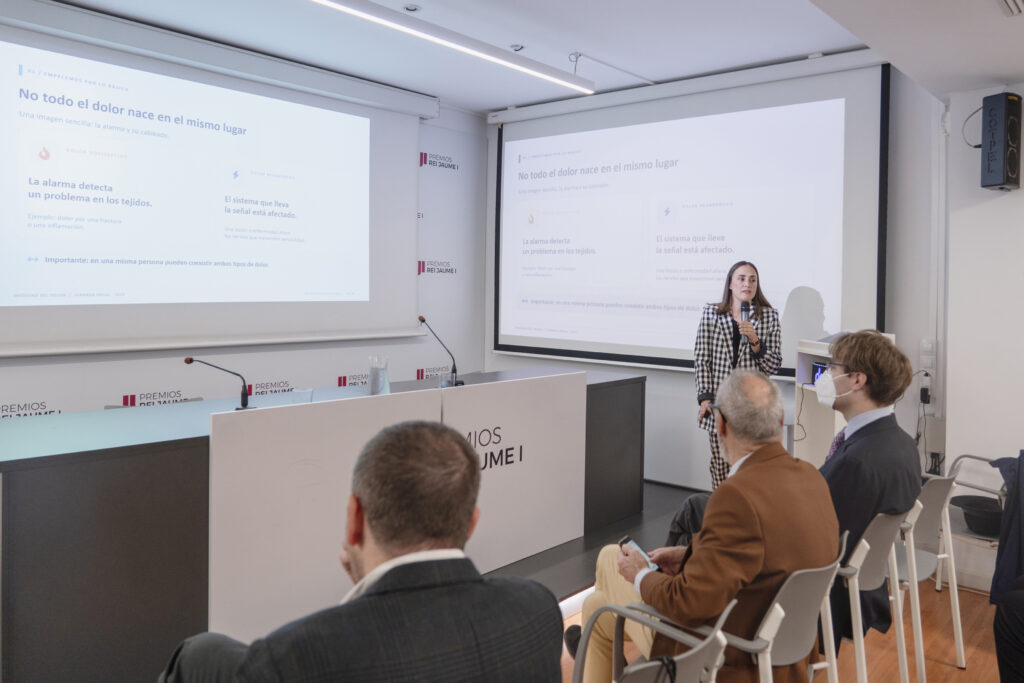
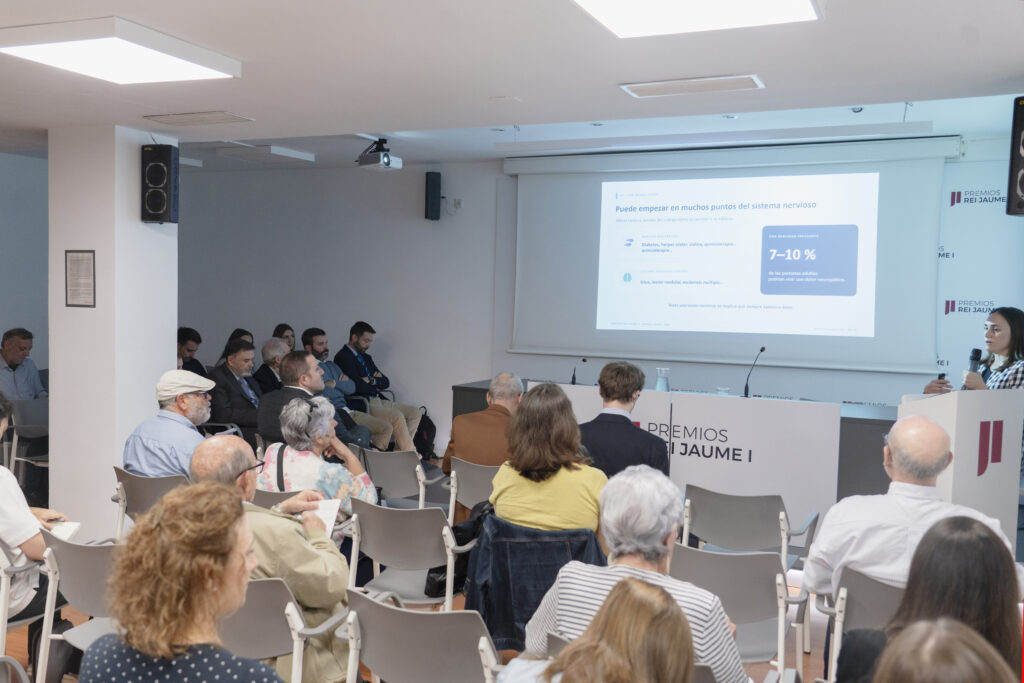
One of the concepts discussed during the conference was that of the phenotype, which helps to explain why people with the same diagnosis may experience and express pain differently. This variability underlines the importance of tailoring the approach to the characteristics and needs of each patient. All of this was discussed during the morning panel discussion with various specialists from hospitals such as Vithas Valencia.
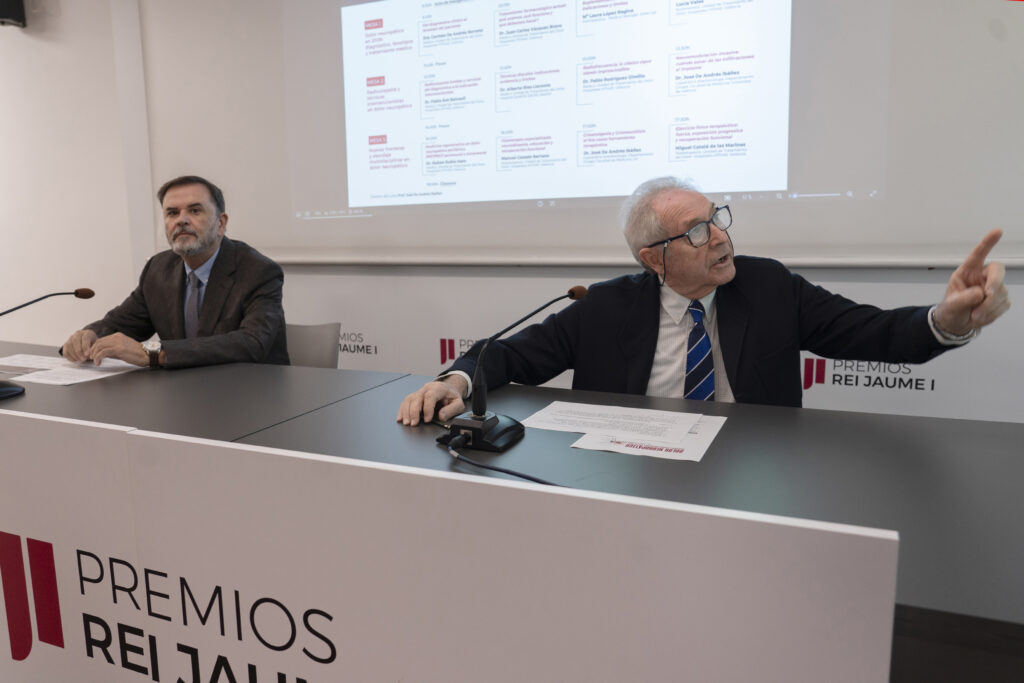
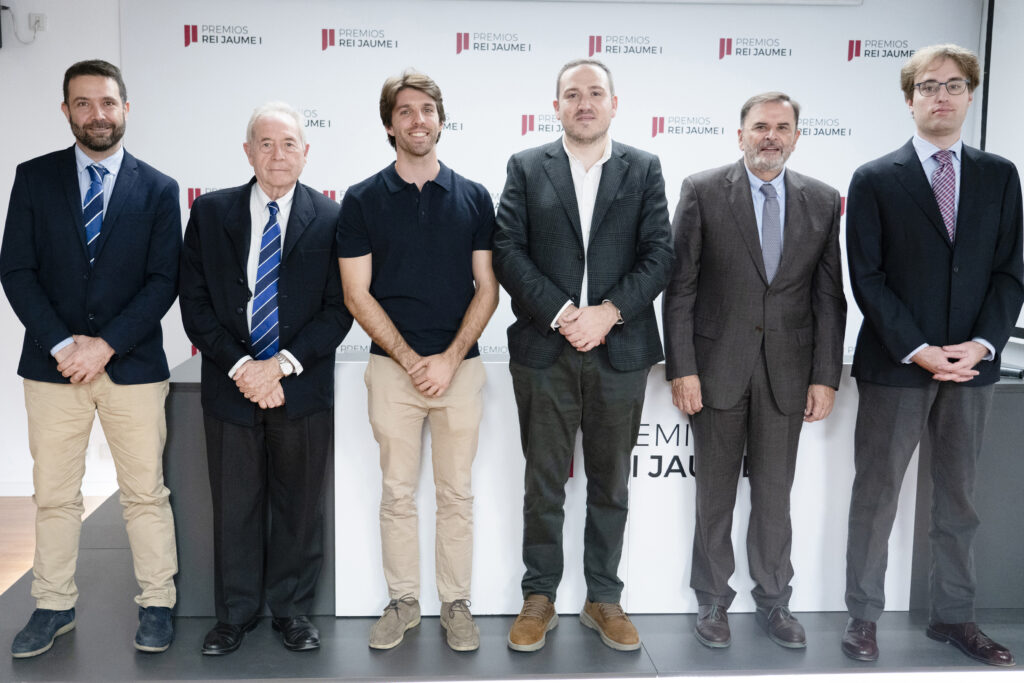
The holistic approach to treatment includes pharmacological options, adjunctive substances and interventional therapies, alongside a focus on nutrition and physical exercise. According to Dr De Andrés, “the outcome depends on coordinated work between healthcare professionals and the patient’s active involvement in their own care.” Thus, during the morning sessions, up to eight specialists in the field took part, discussing diagnosis, pharmacological treatments, nutrition and supplementation.
At midday, the second panel session focused on lumbar and cervical radiculopathy, disc procedures and radiofrequency ablation.
Regenerative
medicine, one of the topics covered at the conference
The afternoon session also addressed regenerative medicine and its potential role in tissues exhibiting deterioration or impaired function. This approach was presented alongside interventional therapies, pharmacological treatments and physical exercise, as part of a comprehensive strategy aimed at improving function and independence. This third panel discussed not only regenerative medicine in neuropathic pain but also specialised physiotherapy, and concluded with cryoanalgesia and cryoneurolysis: cold as a therapeutic tool.
The organisers devised a programme with scientific content presented in language that is accessible to both professionals and the general public. The aim was to convey information about neuropathic pain and the various treatment options in an accessible way, placing the focus on people’s quality of life and independence.
If you’d like to watch it again, visit our YouTube channel… and follow us for more information:

