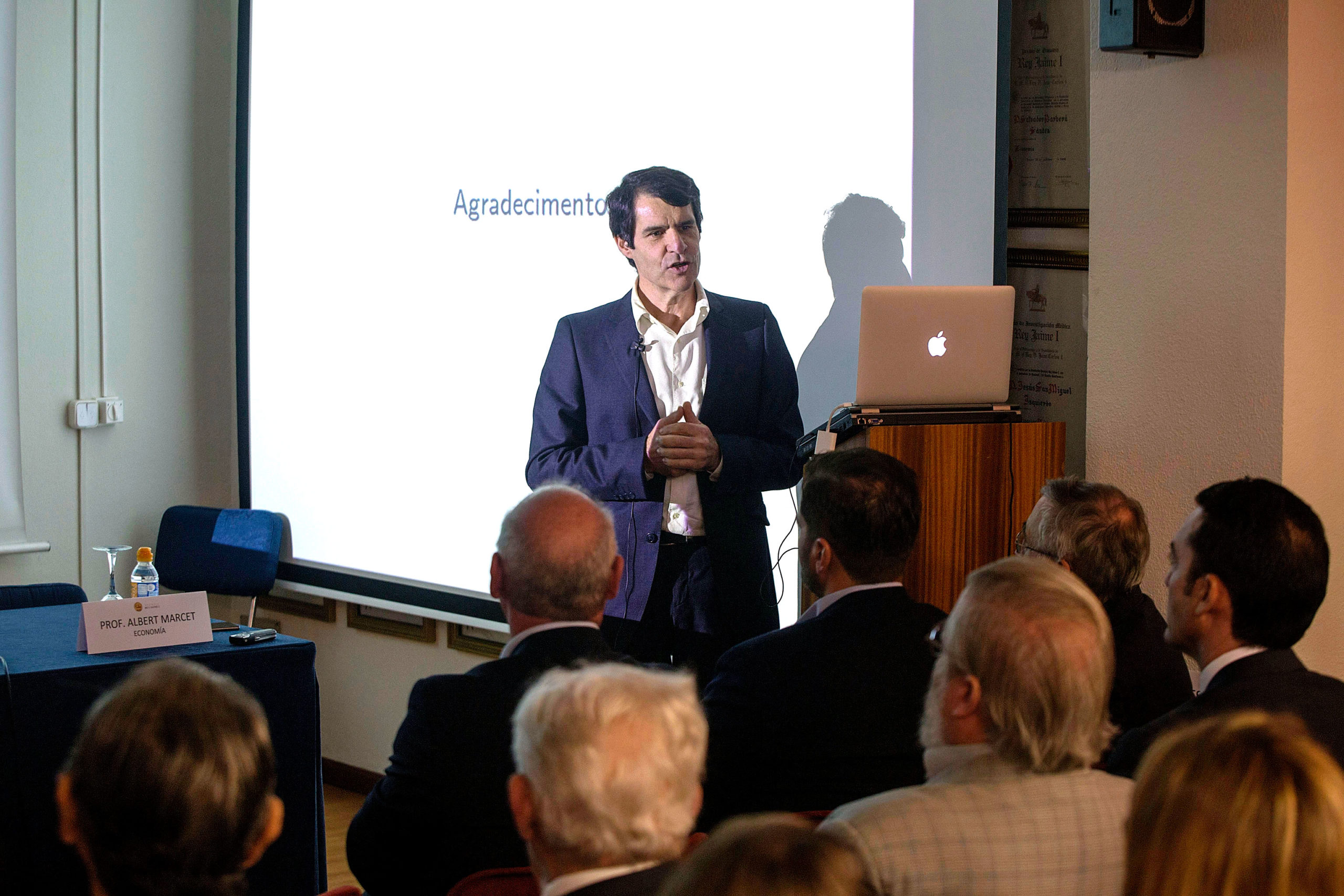
Albert Marcet Torrens
Economics 2016Tarrasa, 1960. He holds a degree in Economics from the Autonomous University of Barcelona and a PhD in Economics from the University of Minnesota, which he obtained in 1987. Since 2011, he has been an ICREA Research Professor at the Institute of Economic Analysis of the CSIC, of which he is currently Director.
Throughout his professional career, his research has focused primarily on four areas: expectation-learning models, techniques for solving dynamic models, fiscal policy and time series. Of particular note is his work in collaboration with the Nobel Laureate in Economics, Thomas Sargent, whose analyses have been used in a great many articles to justify (or refute) the use of DSGE models with ER, such as those employed by many central banks for forecasting. More recently, he has studied learning models to explain economic behaviour and the design of macroeconomic policies. This is a far more controversial application than the study of convergence; many academic economists believe that any deviation from ER is arbitrary and undesirable. For Professor Marcet, things are slowly changing. In fact, the financial crisis has helped: it is obvious that many investors made forecasting errors.
Through his research, he showed that the hyperinflation observed in many countries in the 1980s can be explained naturally using learning models. The economic policy recommendation arising from his model is in line with what is now believed to have effectively brought an end to the hyperinflation of the 1980s.
In fiscal policy, his research has shown that, contrary to what some authors had suggested, a drastic cut in capital tax would lead to a major redistribution of wealth that would severely disadvantage large sections of the population with low capital income. Professor Marcet emphasises that part of his work as a researcher has been to enable others to carry out research, and he credits his doctoral students with teaching him much of what he knows. He was a member of the founding group of the Department of Economics and Business at Pompeu Fabra University from 1990. He headed this department, which is currently one of the best in Europe. He has been a lecturer at Carnegie Mellon University, a professor at Pompeu Fabra University, a lecturer at the London School of Economics, and the holder of an ERC Advanced Grant since 2012, which provides funding for learning models.
He has been principal investigator on projects funded by the “National Plan of the Ministry of Education and Science” (or equivalent) from 1993 to 2014 and an associate editor of leading economic journals such as the *Economic Journal*, *Econometrica*, *Cuadernos económicos del ICE* and the *Journal of Monetary Economics*.
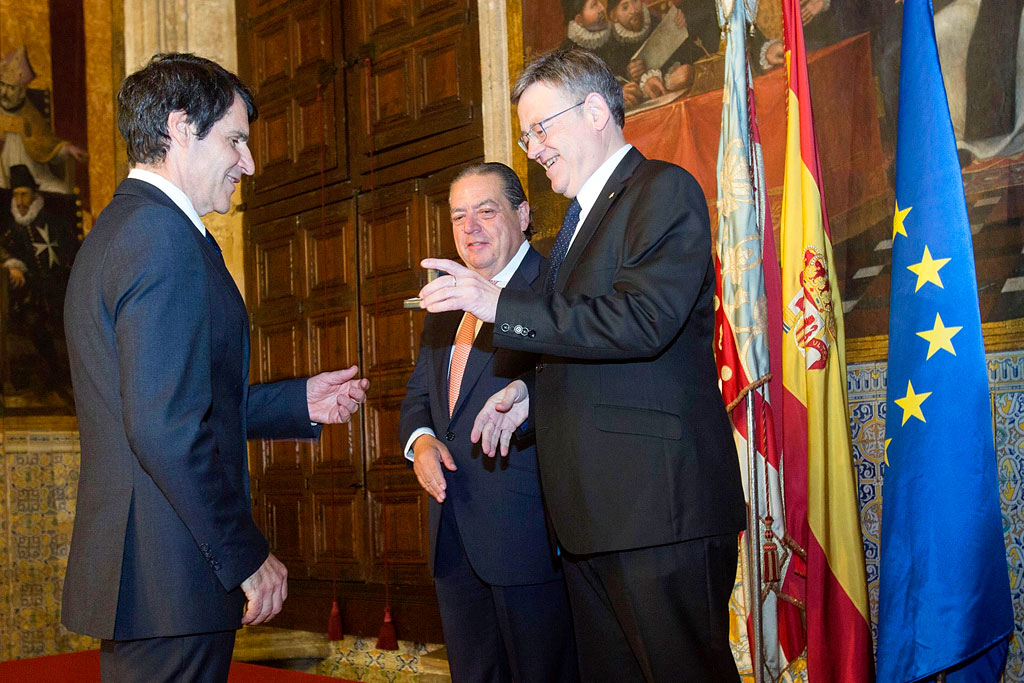
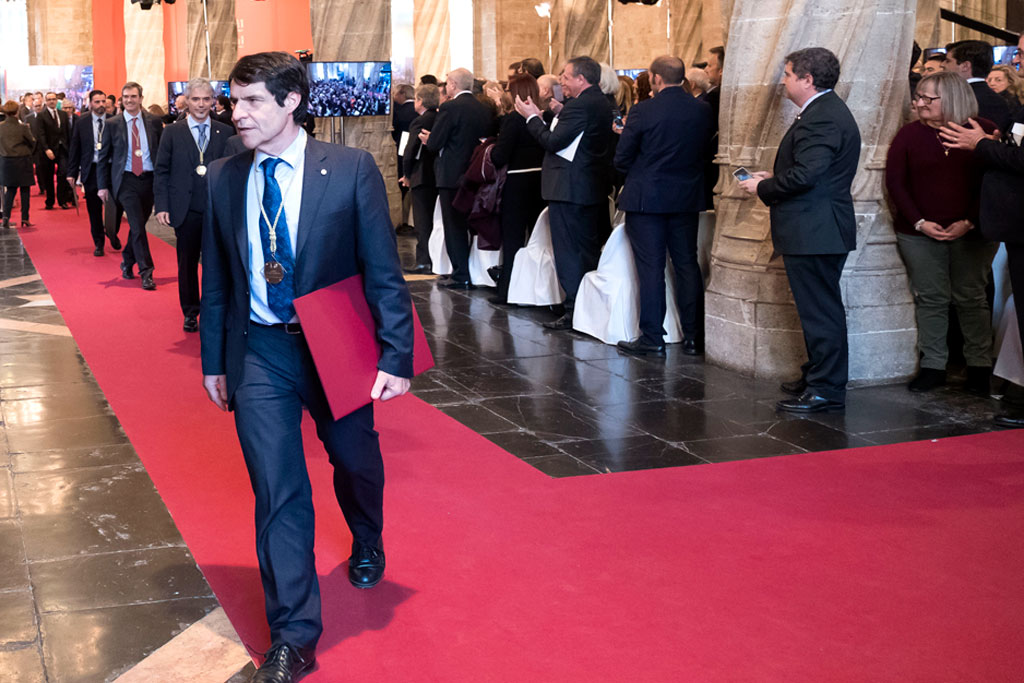
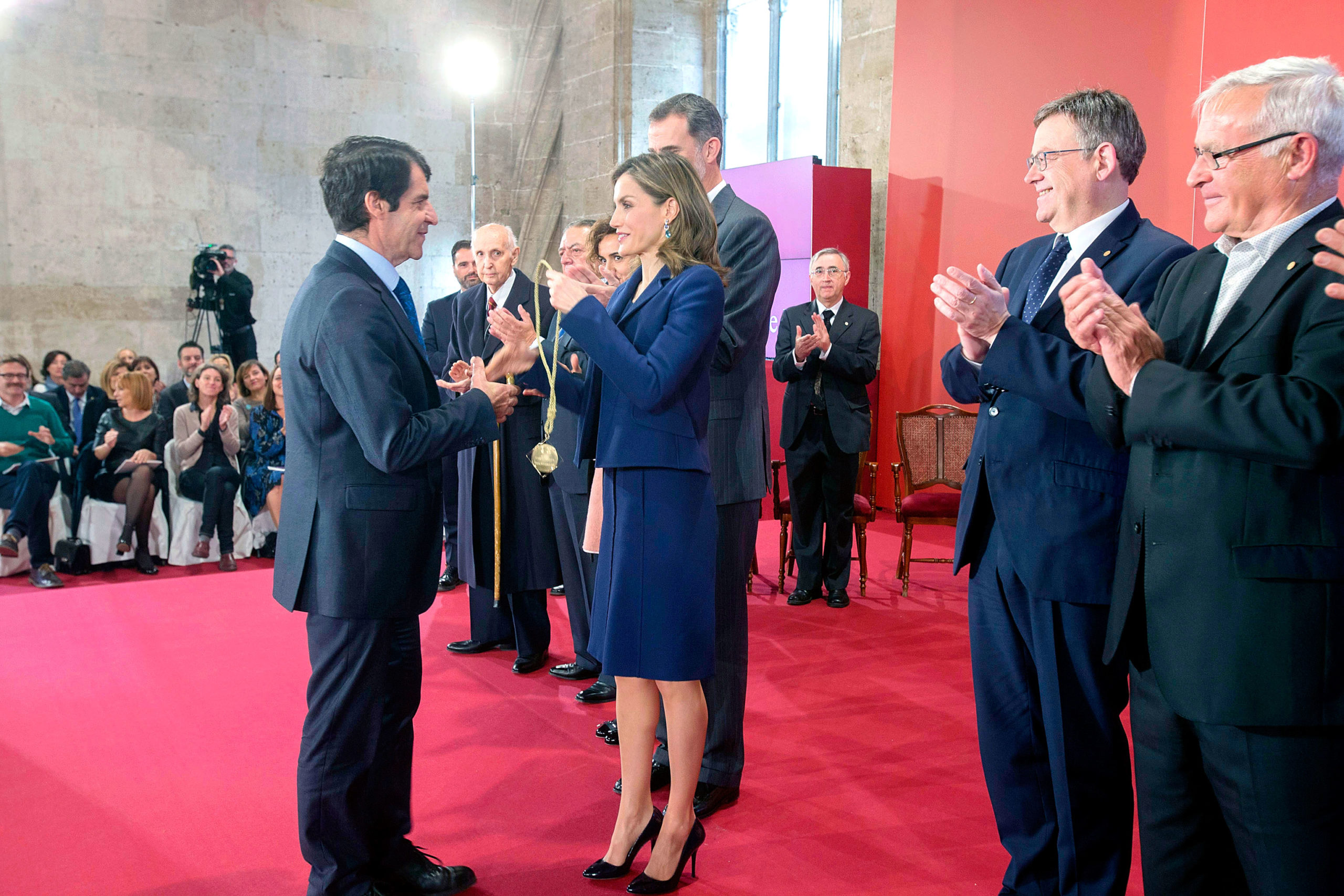
The jury for the Rei Jaume I Prizes in Economics, meeting in Valencia, has unanimously decided to award the 2016 prize to Albert Marcet Torrens for his significant contributions to various areas of modern macroeconomics.
His most influential research has centred on the design of economic policies. His work demonstrates how to design optimal policies to ensure the temporal consistency of economic policy decisions. His findings are widely applied in contemporary macroeconomics and have become the standard for analysing temporal consistency in economic policy decisions. He has also made influential contributions to other areas of research, such as learning under uncertainty and, more recently, the optimal management of sovereign debt. Throughout his career, he has worked on research projects with a wide range of economists who have subsequently been awarded the Nobel Prize. He has also mentored numerous students whose influence is evident in current research. He helped establish Pompeu Fabra University as a world-class centre of excellence, has served as President of the Spanish Economic Association, and is currently the scientific director of the Euro Area Business Cycle Network of the European System of Central Banks.