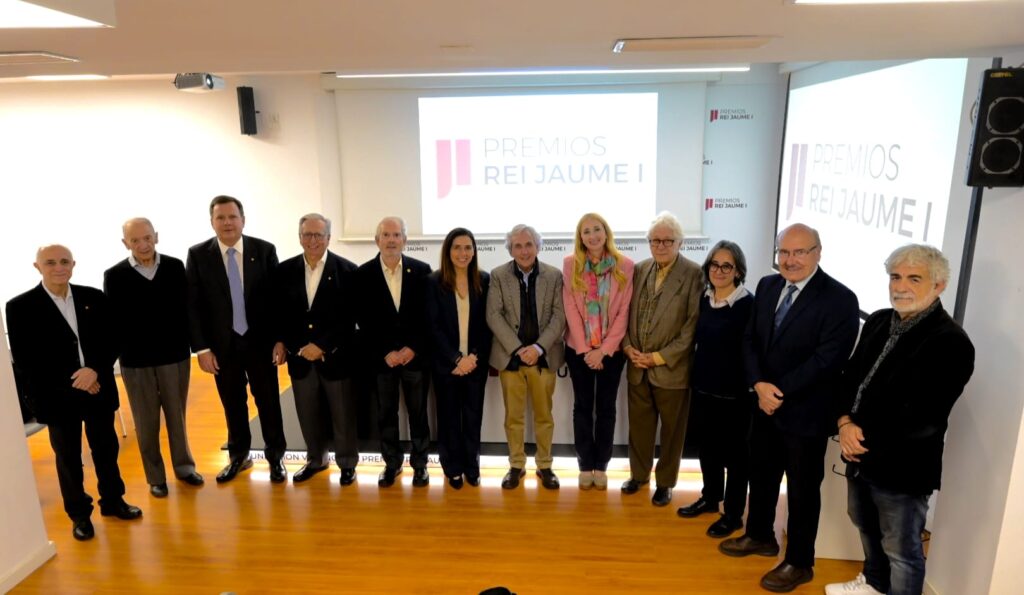
The Fundación Valenciana Premios Rei Jaume I announces that the Rei Jaume I Prizes Awards Ceremony, which is held annually at the end of November, has been postponed until early March 2027 due to the election campaign. The new date will be officially announced once the institutional schedule for the awards ceremony has been finalised. Details of the date will be provided in due course.
• The Prizes winners from the Economy Committee highlighted these conclusions during the morning’s meeting on housing. • Members of the HAC met at the Palau de la Generalitat Valenciana with the Regional Minister for Education, Carmen Ortí, to present the conclusions of these reports. • The Council’s session was also devoted to discussing the challenges facing Environmental Protection
Members of the High Advisory Council (HAC) of the Generalitat Valenciana — a body comprising scientists, economists and experts who have been awarded the prestigious Rei Jaume I Prizes — highlighted one conclusion during their morning session: the rental housing market is dominated by small landlords, whilst so-called ‘large property owners’ account for less than 4.7 per cent of the total supply, and that new housing needs to be built. According to the experts gathered, “if new housing is not built, the result will be that social classes with greater purchasing power, such as digital nomads, will rent properties at high prices, leaving young people unable to access them”.
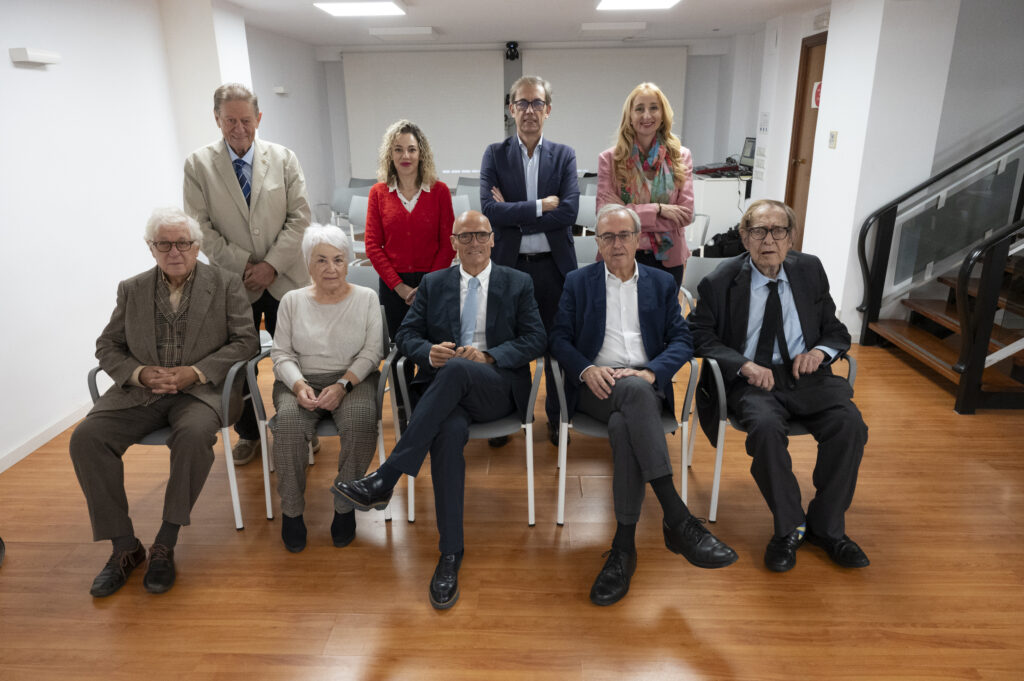
This striking statistical reality forms part of the technical report presented by the economists Francisco Pérez, José García Montalvo and Carmen Herrero. The conclusions have been adopted as one of the central themes of the HAC’s debate, which held a full-day meeting to analyse the current economic and social situation.
Meetingat the Palau de la Generalitat
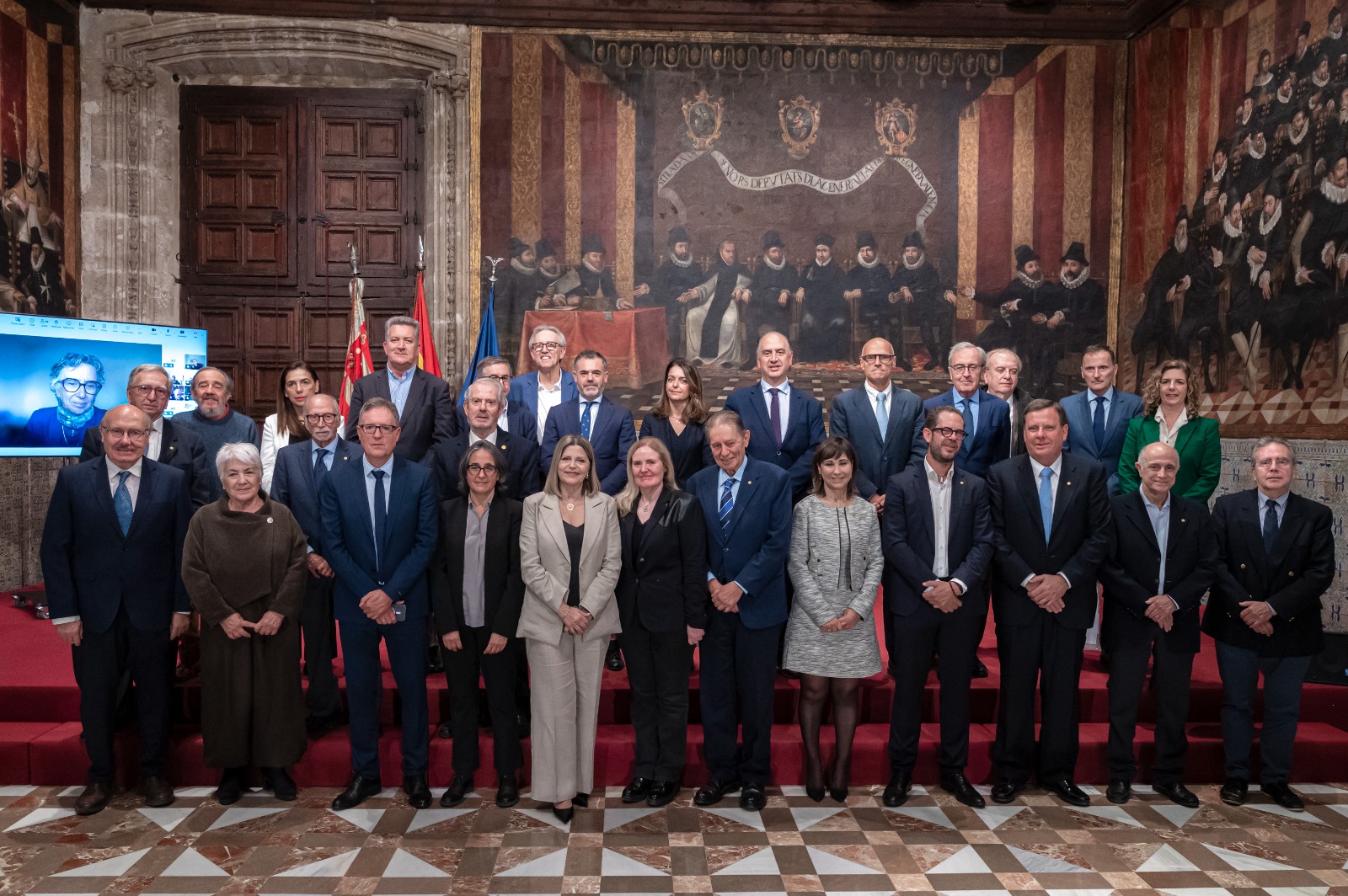
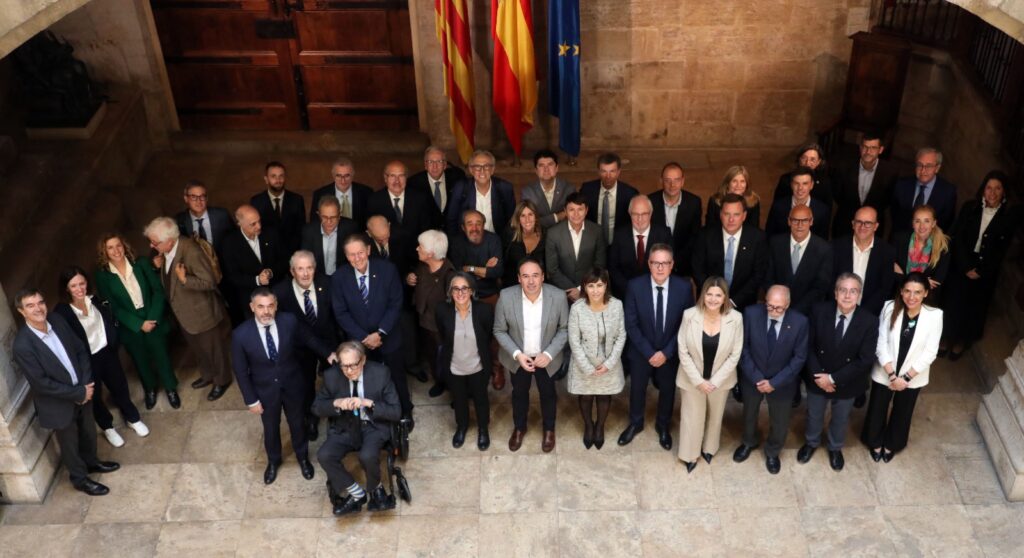
The findings of this study will not remain solely within the academic sphere. The following day, 6 November, the annual plenary session was held at the Palau de la Generalitat Valenciana, attended by the Regional Minister for Education, Carmen Ortí. During this institutional meeting, the Rei Jaume I Prize winners formally presented the results and the alarming conclusions of these reports, amongst which a serious shortage of properties available to let stands out.
The panel of experts warns that the vast majority of rental properties are owned by private individuals and families who own no more than two to four properties. They therefore insist that any regulation or public policy must be designed to protect small savers and stimulate the supply of housing, rather than legislating on the basis of the myth that the market is dominated by investment funds.
An afternoon dedicated to Environmental Protection
Having analysed the challenges facing the housing sector and the wider economy during the morning alongside leading figures from the Spanish economy such as Vicente Salas, Antoni Espasa and Ramón Tamames, the High Advisory Council’s agenda continued at a brisk pace. Thus, in the afternoon, the HAC meeting resumed with the Committee on Environmental Protection. The council members discussed and drew up proposals on this matter, balancing economic growth with sustainability – aspects which have also formed part of the package of comprehensive recommendations that have been submitted to the Valencian Government.
The 19th conference on pain brings together content on diagnosis, phenotypes, treatments, nutrition, physical exercise and regenerative medicine
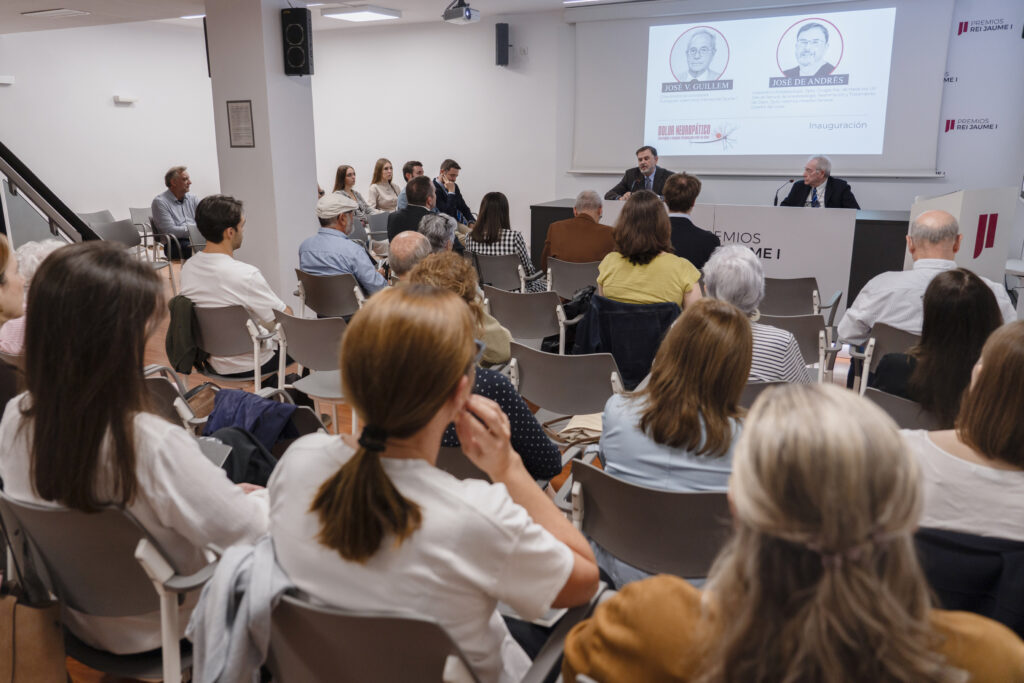
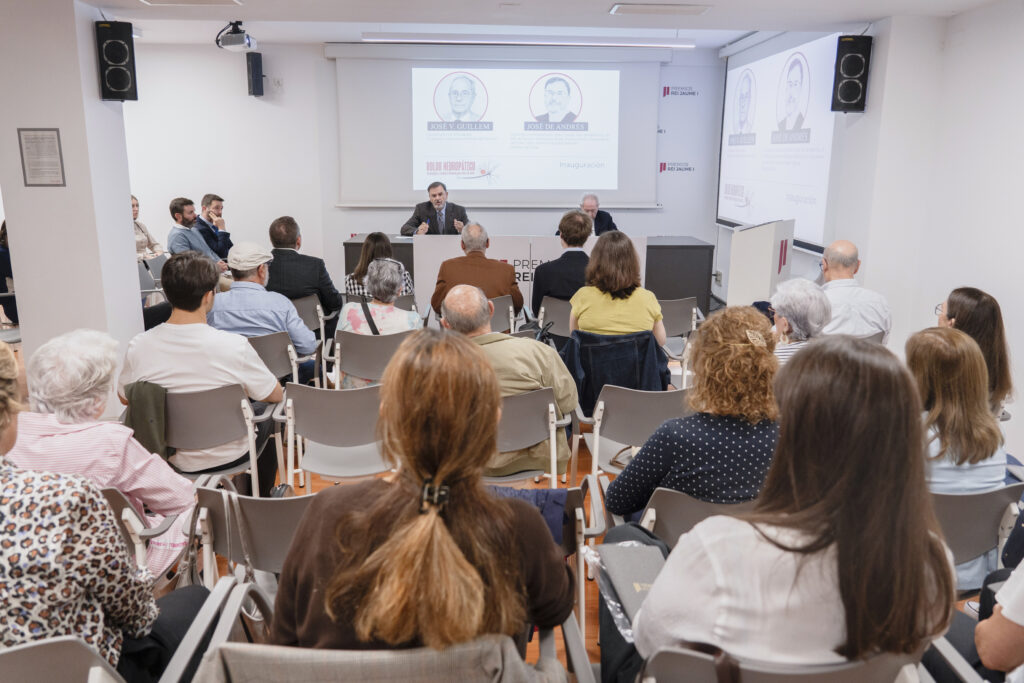
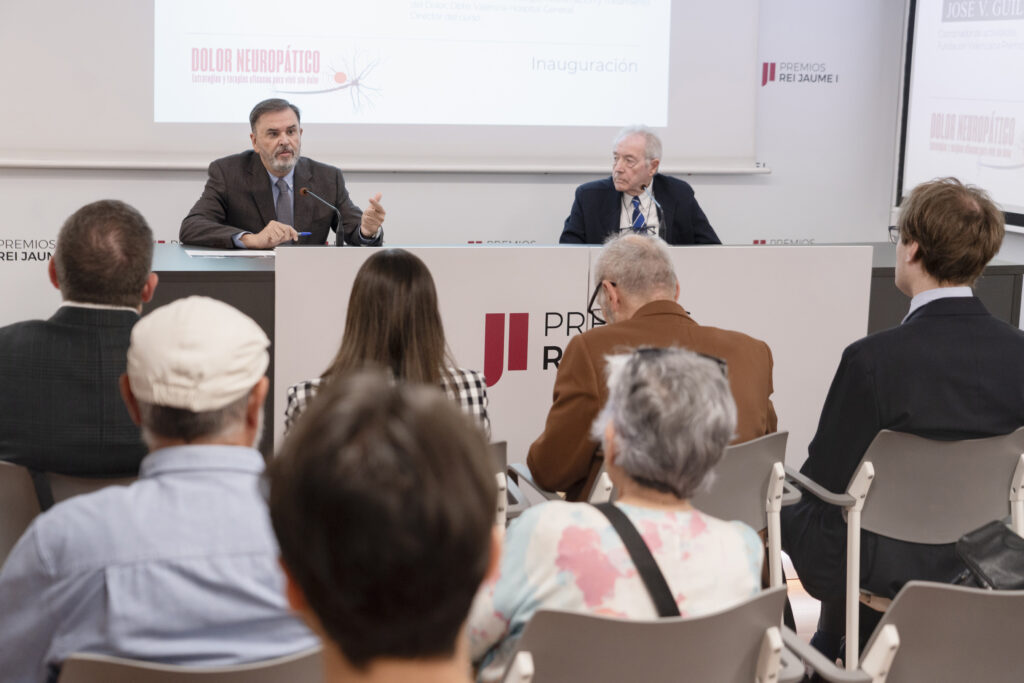
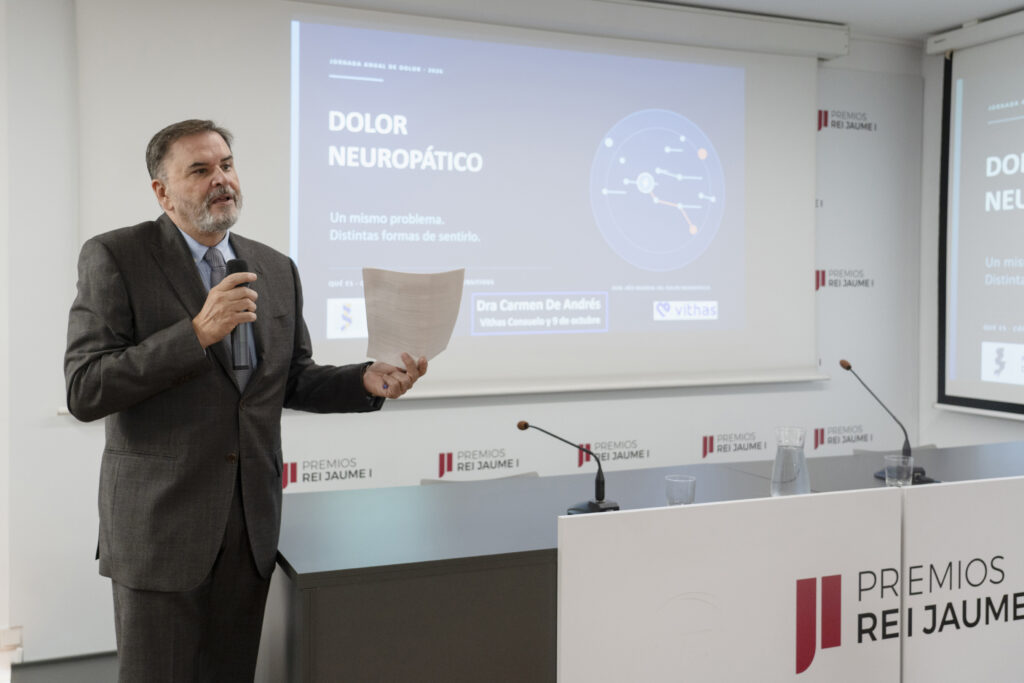
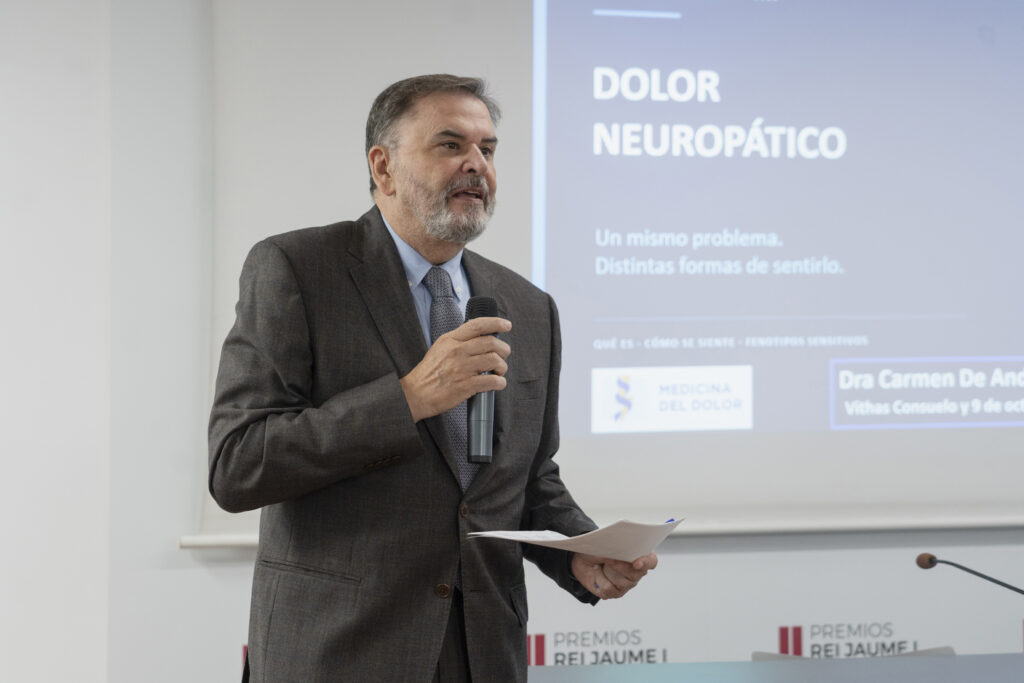
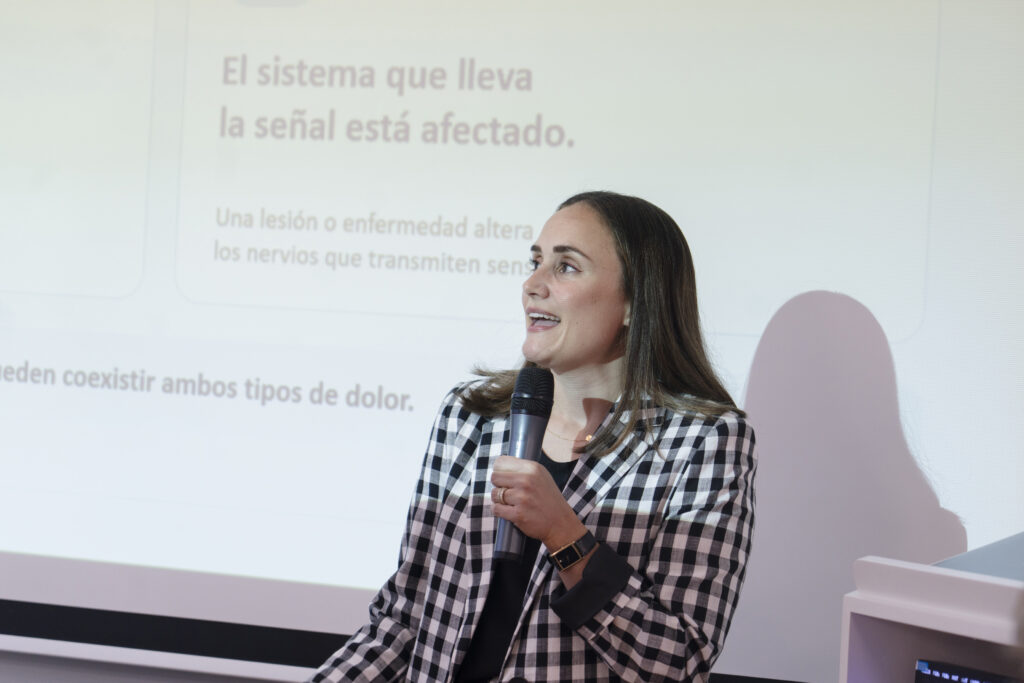
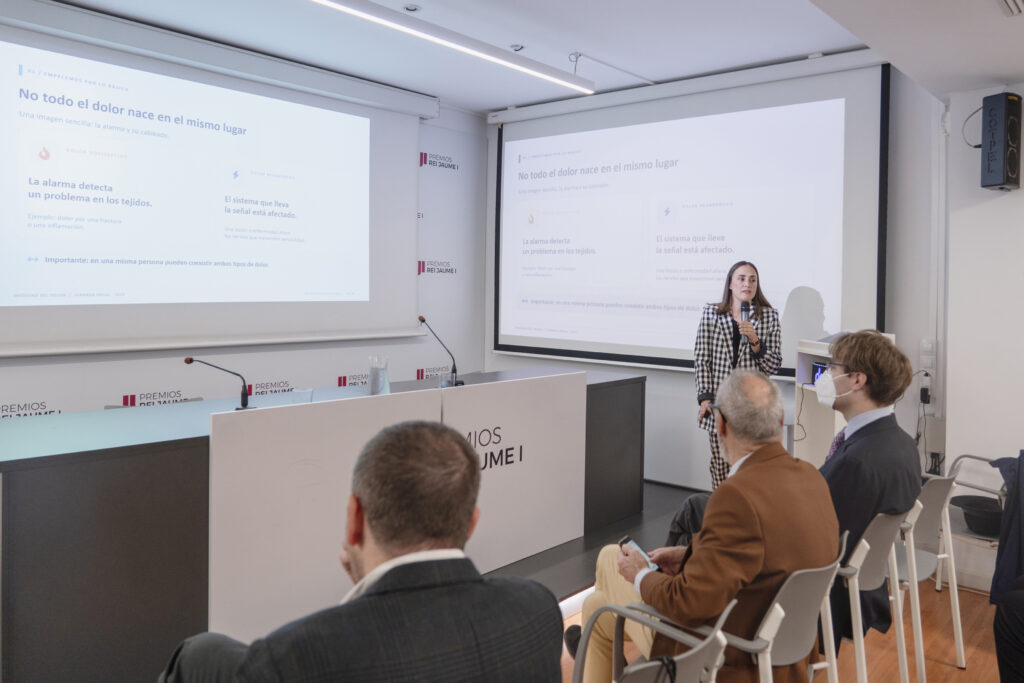
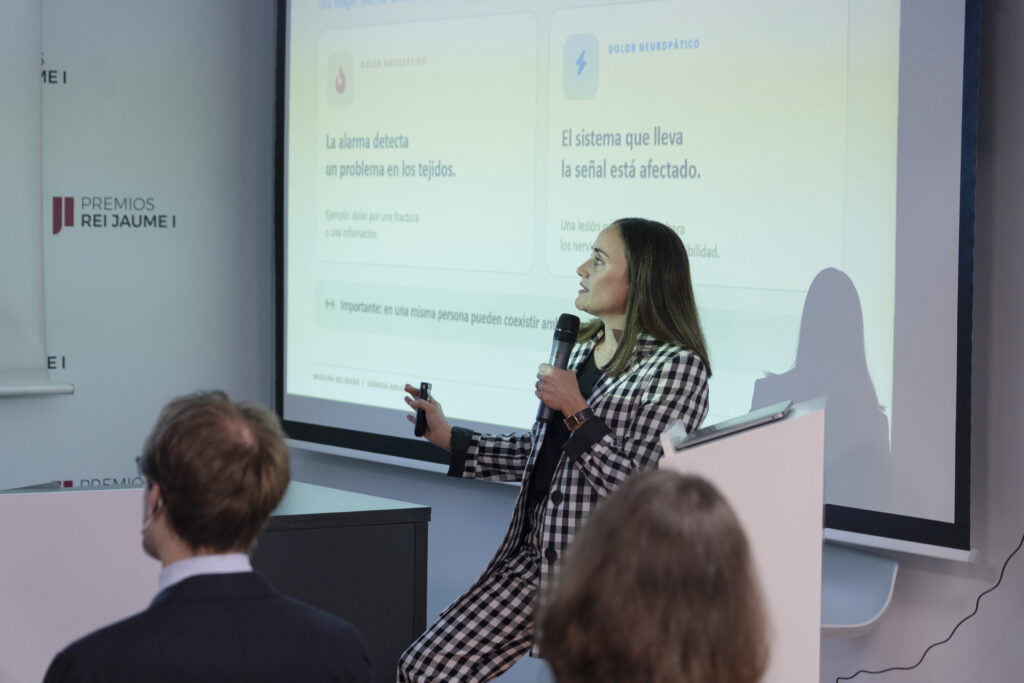
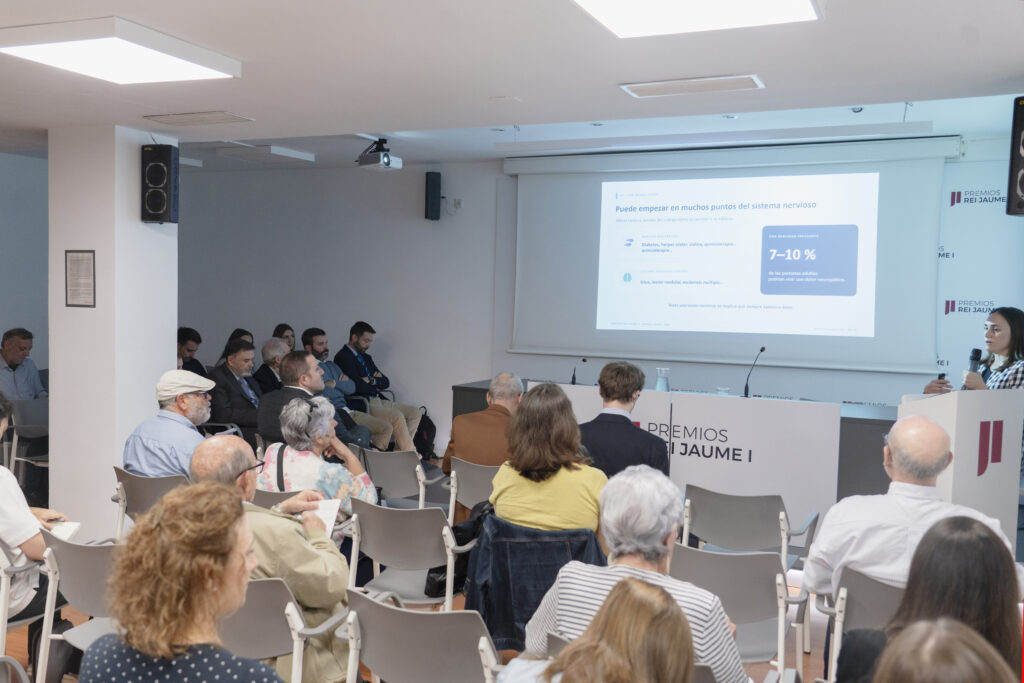
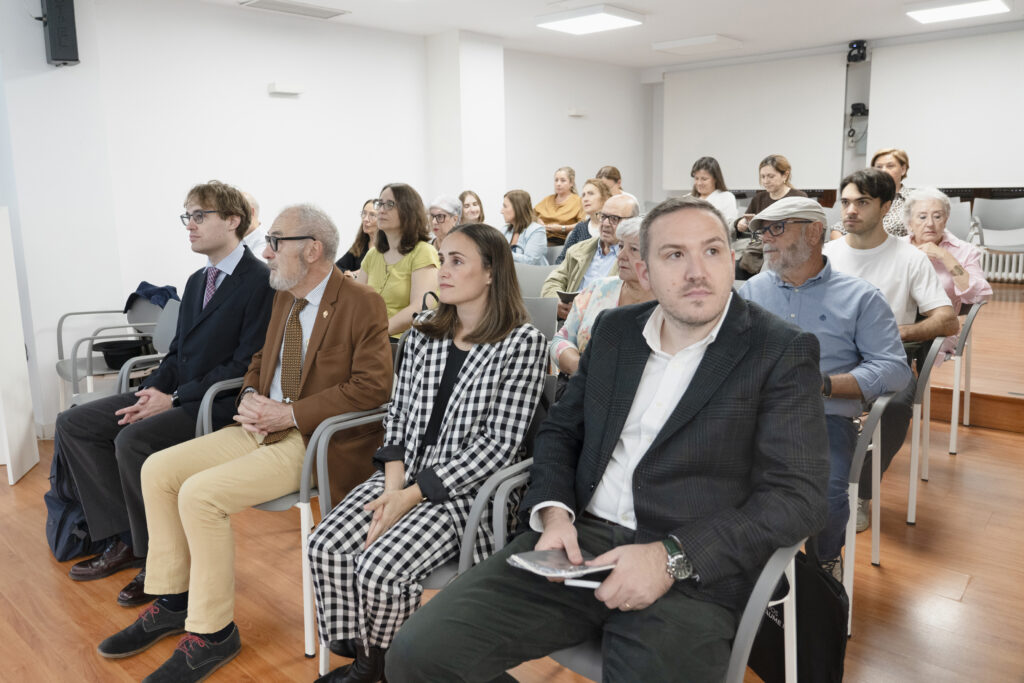
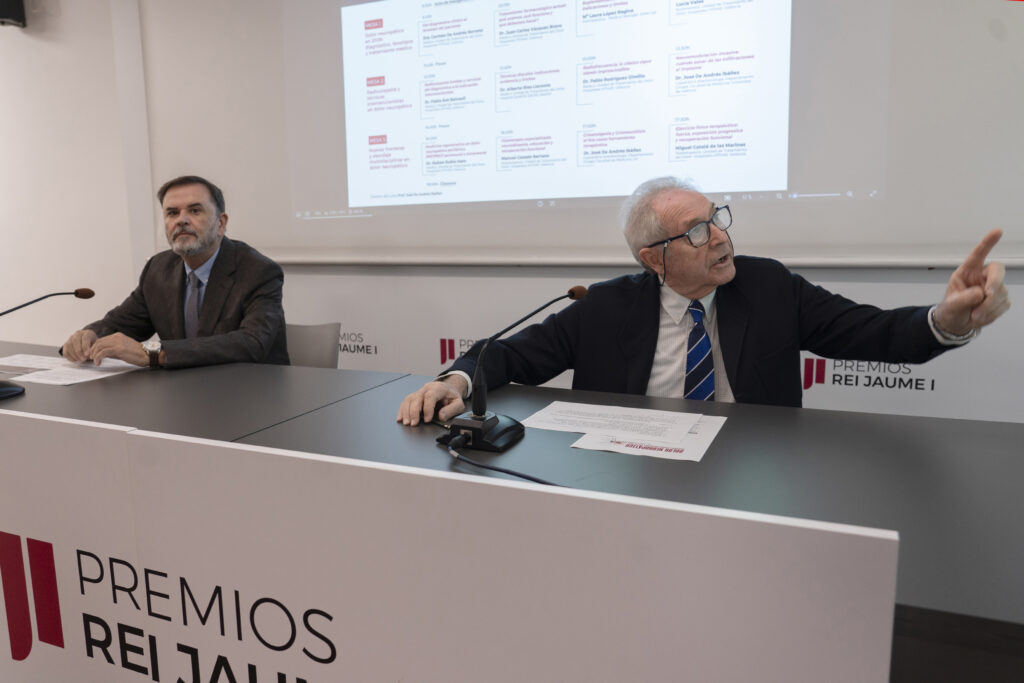
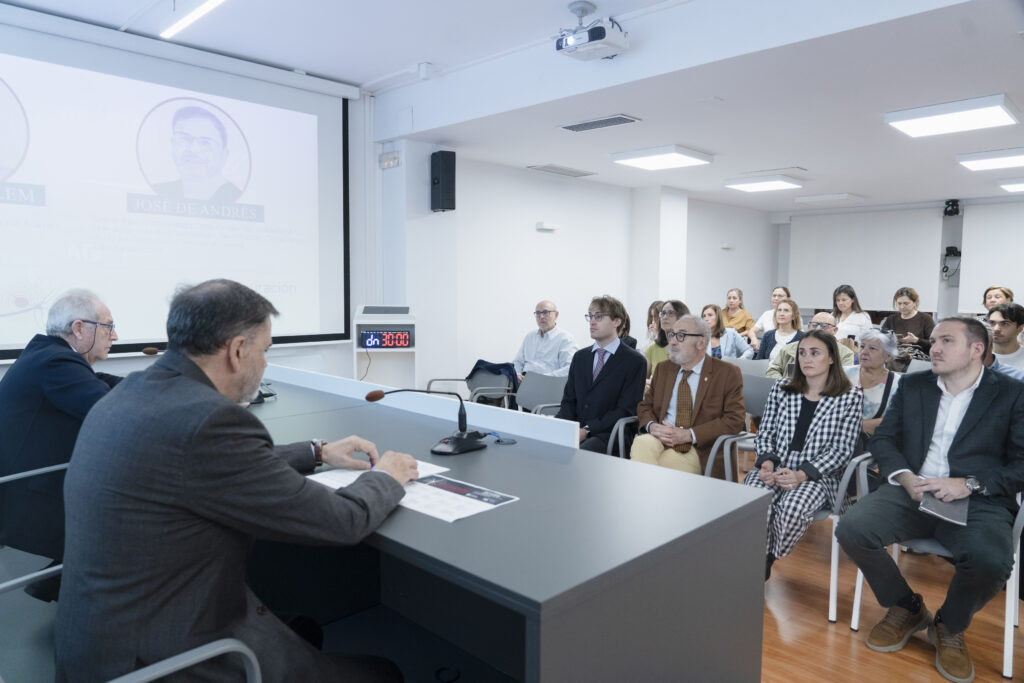
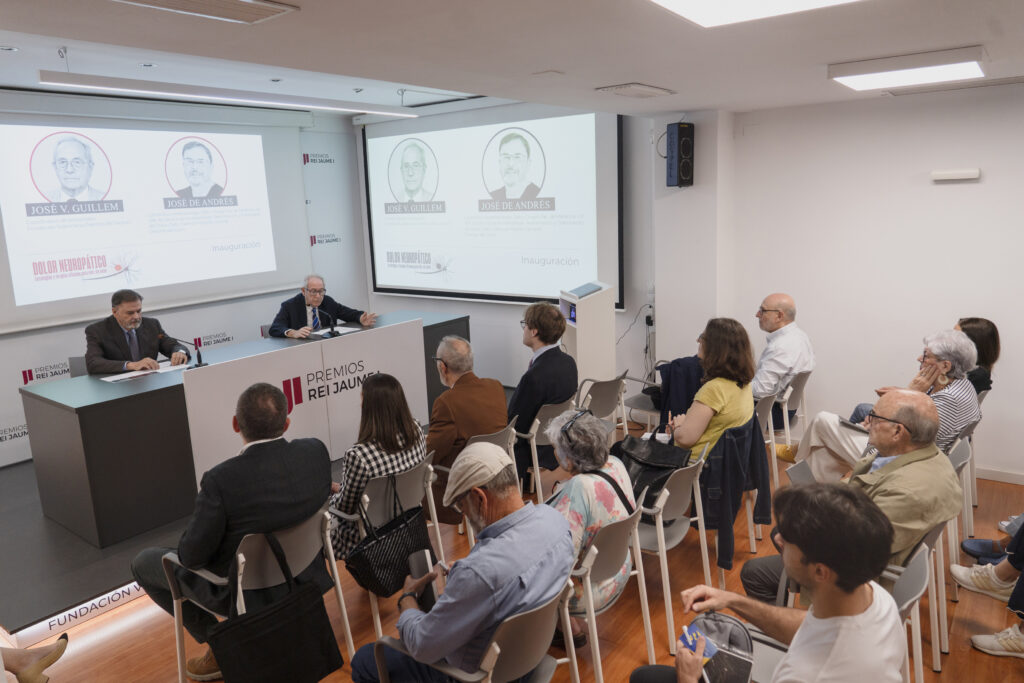
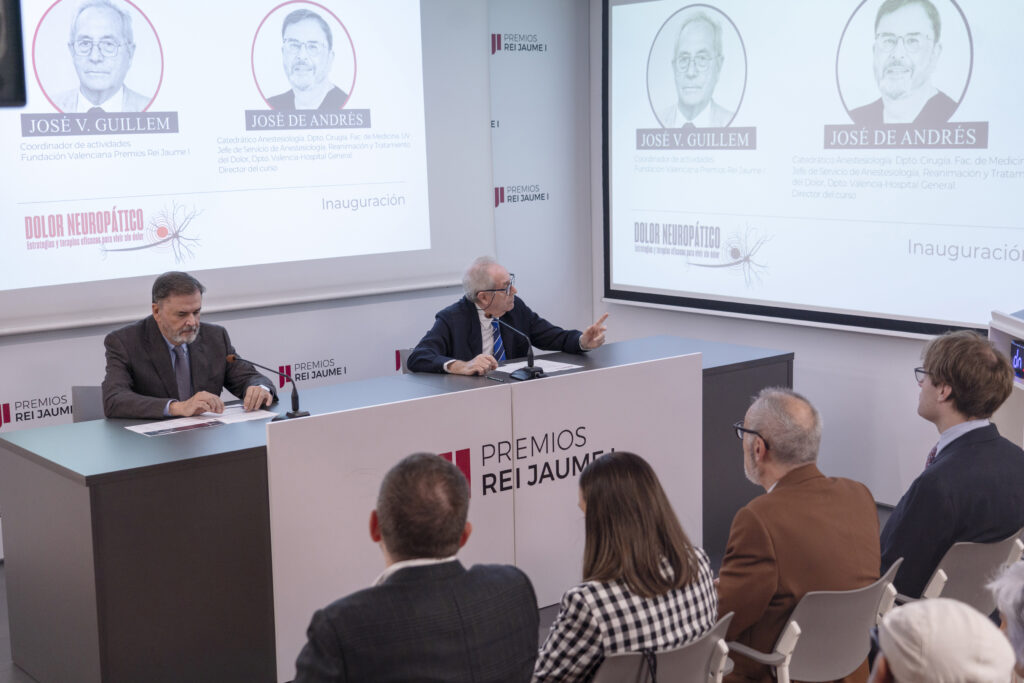
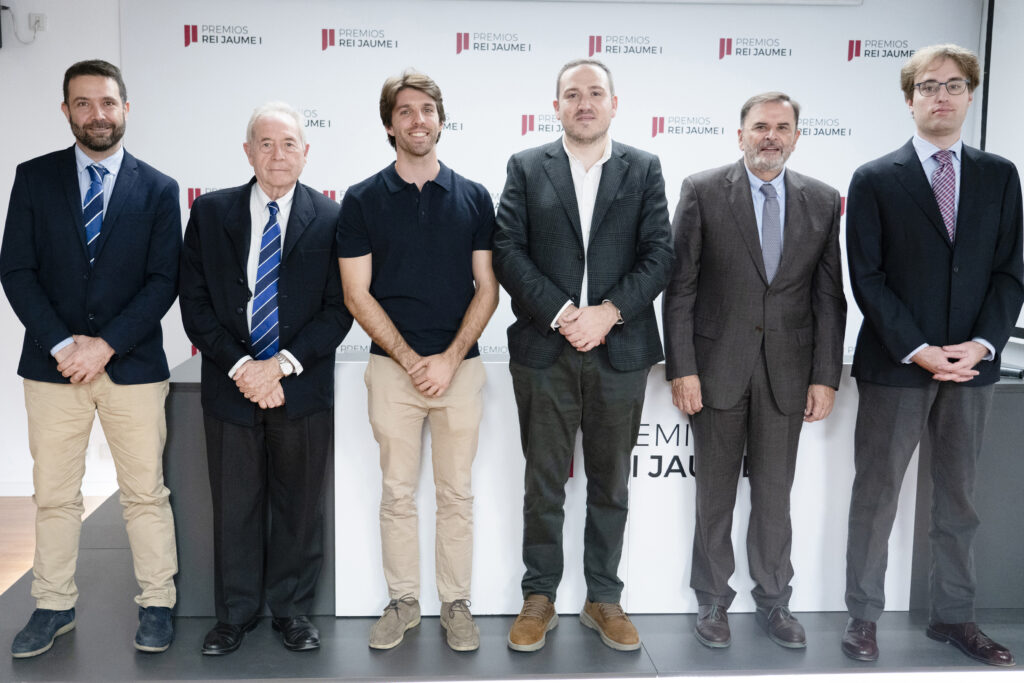
The 19th edition of the conference entitled ‘Pain is Preventable’, organised by the Foundation in collaboration with Dr De Andrés, Professor of Anaesthesiology at the Faculty of Medicine of the University of Valencia, has taken place. This year’s event focused on addressing neuropathic pain from a holistic perspective, combining diagnosis and available treatments with measures aimed at maintaining people’s independence and quality of life.
According to its scientific director, Dr De Andrés, “society is increasingly demanding appropriate pain management. Diagnosis is important, but the most important thing is that, whatever illness you have, you can enjoy a good quality of life,” he said.
The specialist pointed out that, over the last 19 years, our understanding of ageing has also changed. Rising life expectancy and the growing population aged 60 or 65 and over mean that many people want to lead active and fulfilling lives. In this context, maintaining independence is essential.
What is neuropathic pain?
Neuropathic pain is associated with damage to or a dysfunction of a nerve. It can manifest as pain, stinging, tingling, cramps and other abnormal sensations known as dysaesthesia. Possible causes include nerve injuries, scarring, certain anatomical changes and some neuropathies whose cause remains unidentified.
By way of example, the specialist explained trigeminal neuralgia, which can cause bouts of intense pain in the face. In some cases, tests do not reveal any obvious damage, even though the nerve is functionally impaired.
A personalised, multidisciplinary approach
One of the concepts discussed during the conference was that of the phenotype, which helps to explain why people with the same diagnosis may experience and express pain differently. This variability underlines the importance of tailoring the approach to the characteristics and needs of each patient. All of this was discussed during the morning panel discussion with various specialists from hospitals such as Vithas Valencia.
The holistic approach to treatment includes pharmacological options, adjunctive substances and interventional therapies, alongside a focus on nutrition and physical exercise. According to Dr De Andrés, “the outcome depends on coordinated work between healthcare professionals and the patient’s active involvement in their own care.” Thus, during the morning sessions, up to eight specialists in the field took part, discussing diagnosis, pharmacological treatments, nutrition and supplementation. At midday, the second panel session focused on lumbar and cervical radiculopathy, disc procedures and radiofrequency ablation.
Regenerative medicine, one of the topics covered at the conference
The afternoon session also addressed regenerative medicine and its potential role in tissues exhibiting deterioration or impaired function. This approach was presented alongside interventional therapies, pharmacological treatments and physical exercise, as part of a comprehensive strategy aimed at improving function and independence. This third panel discussed not only regenerative medicine in neuropathic pain but also specialised physiotherapy, and concluded with cryoanalgesia and cryoneurolysis: cold as a therapeutic tool. The organisers devised a programme with scientific content presented in language that is accessible to both professionals and the general public. The aim was to convey information about neuropathic pain and the various treatment options in an accessible way, placing the focus on people’s quality of life and independence.
If you’d like to watch it again, visit our YouTube channel… and follow us for more information:
The renowned neurologist from Harvard University is taking part in the conference on geriatrics organised by the Fundación Premios Rei Jaume I and CEU Cardenal Herrera University
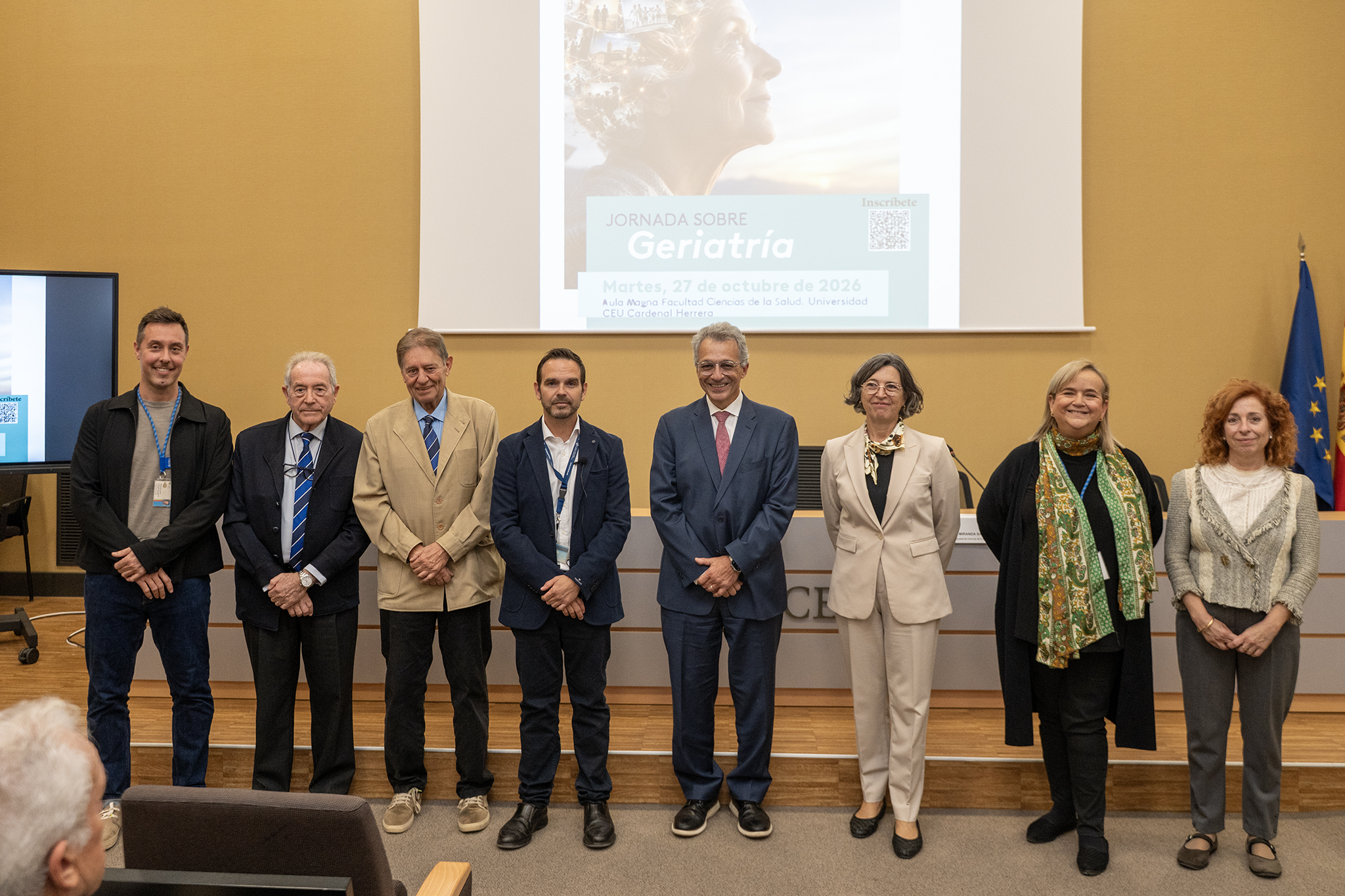
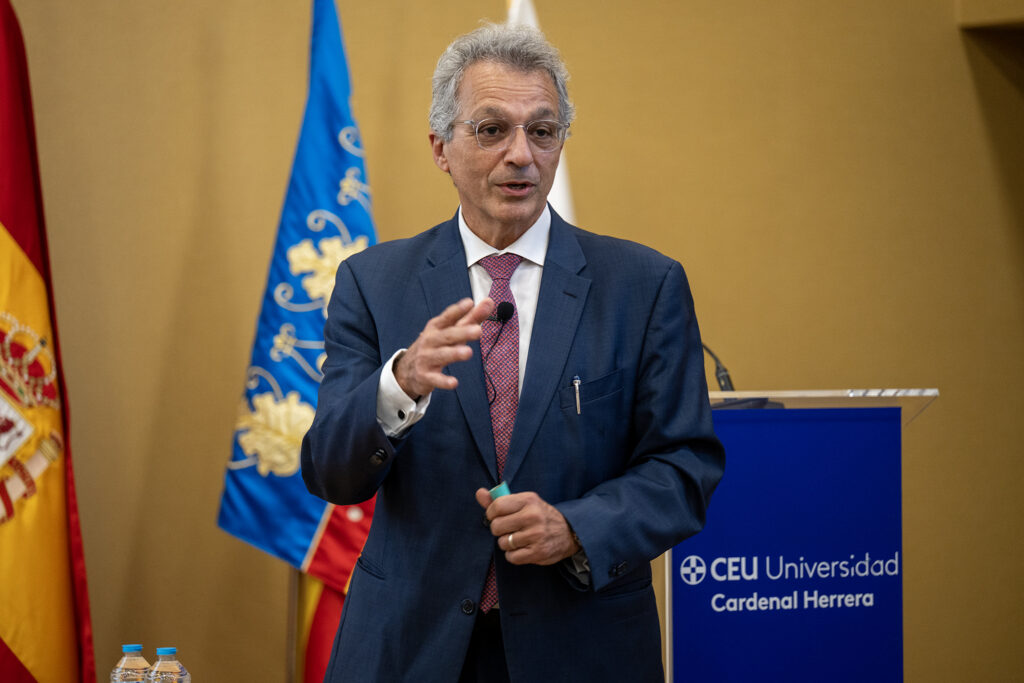
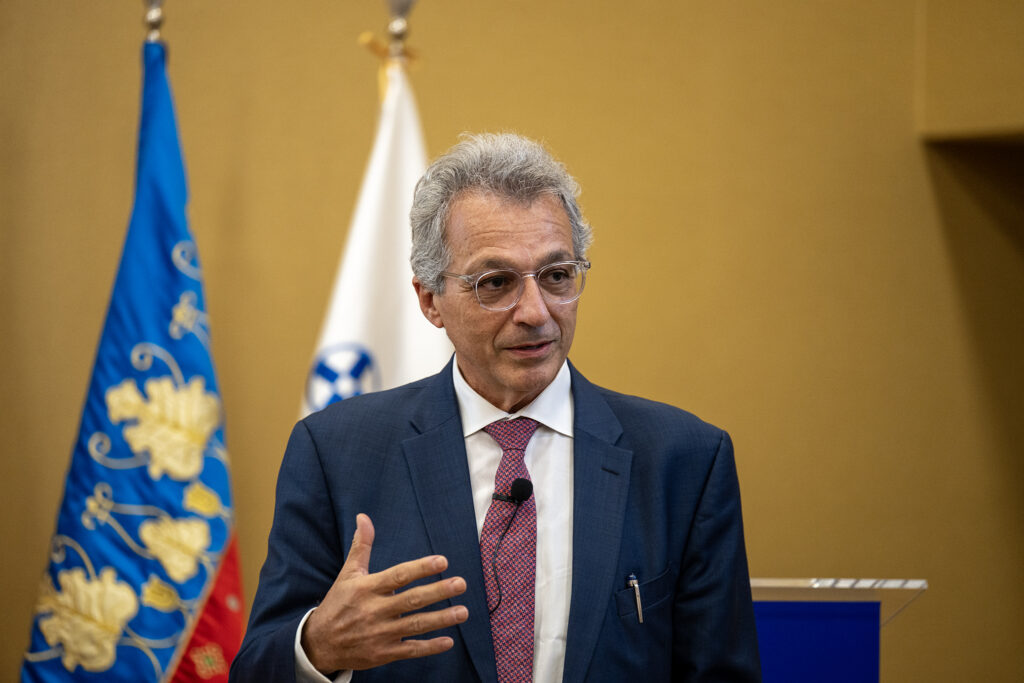
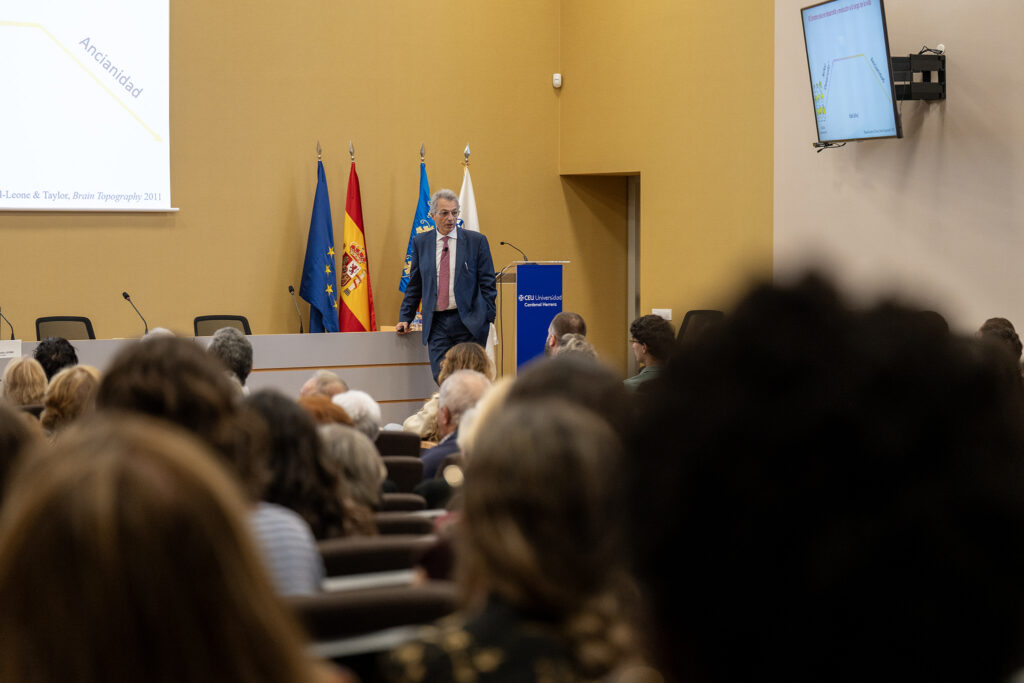
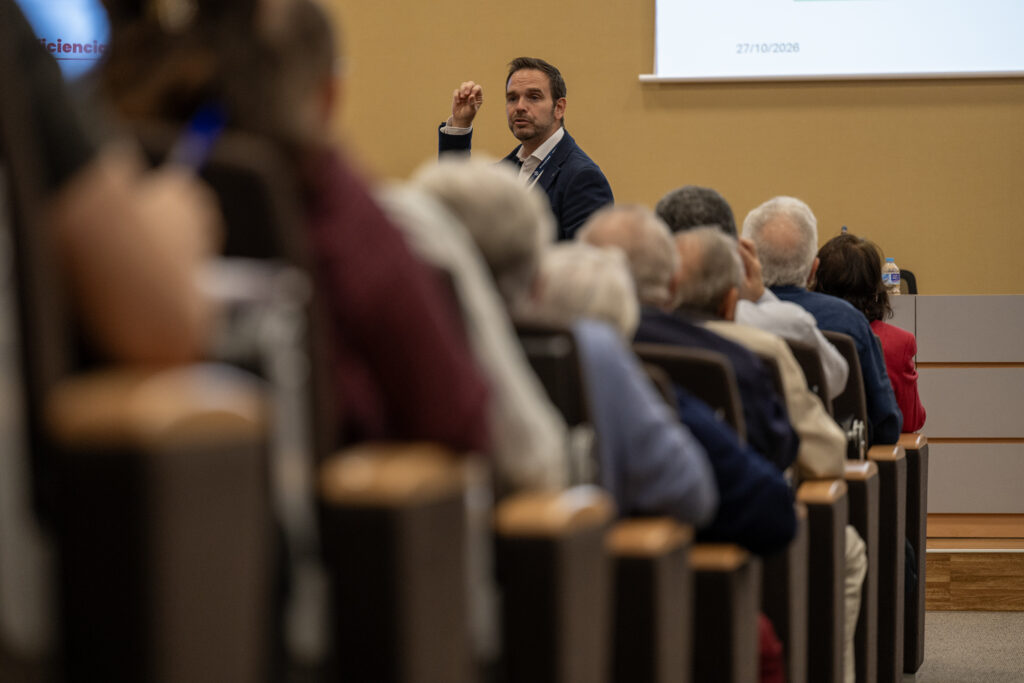
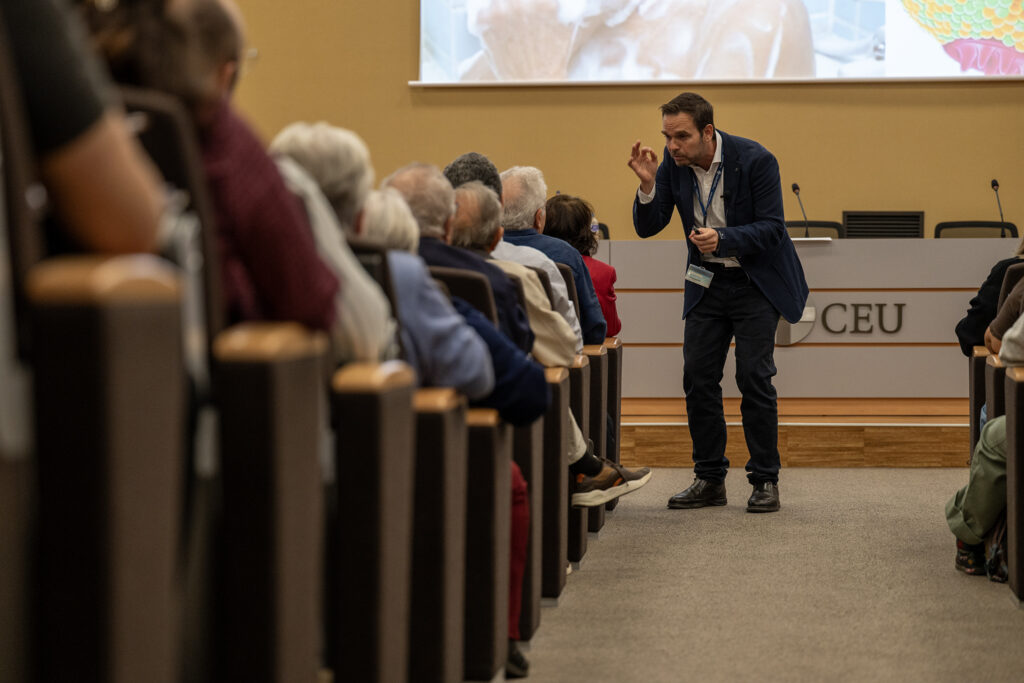
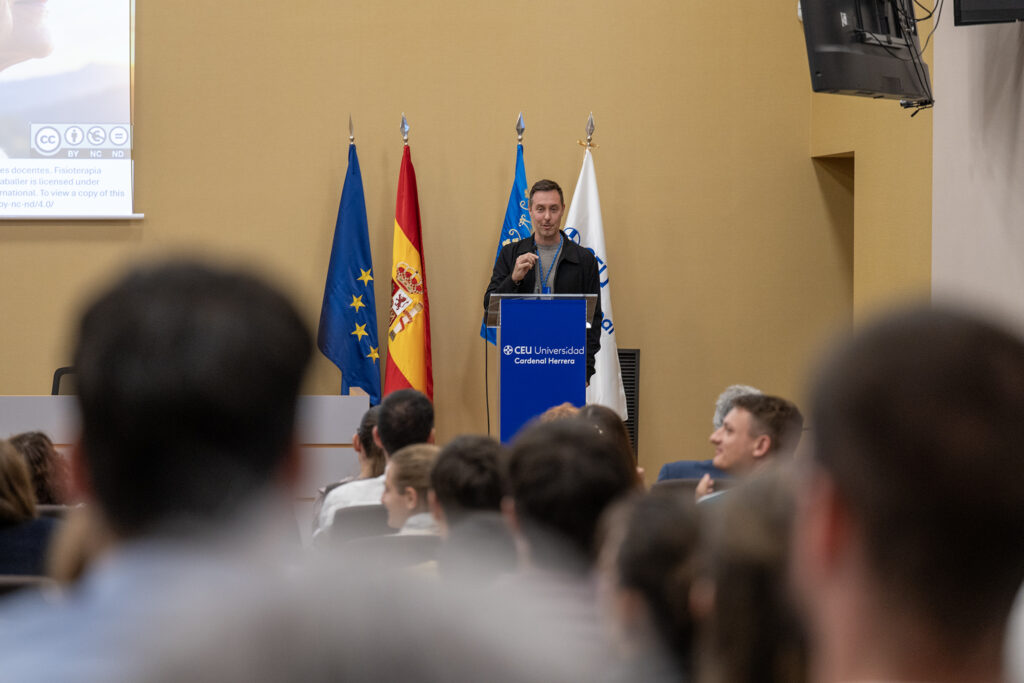
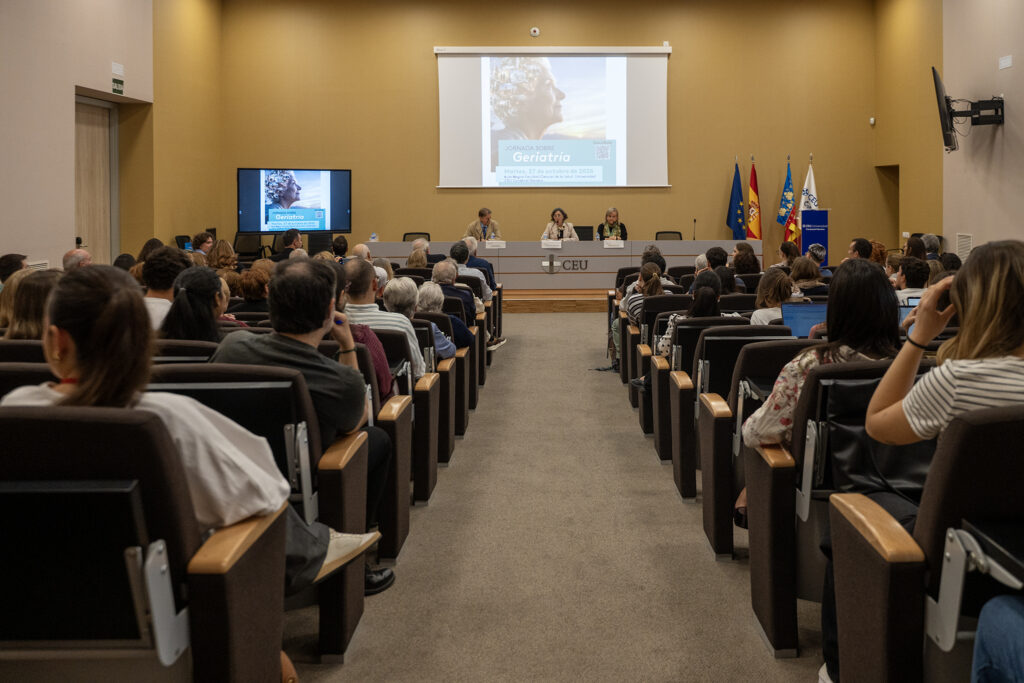
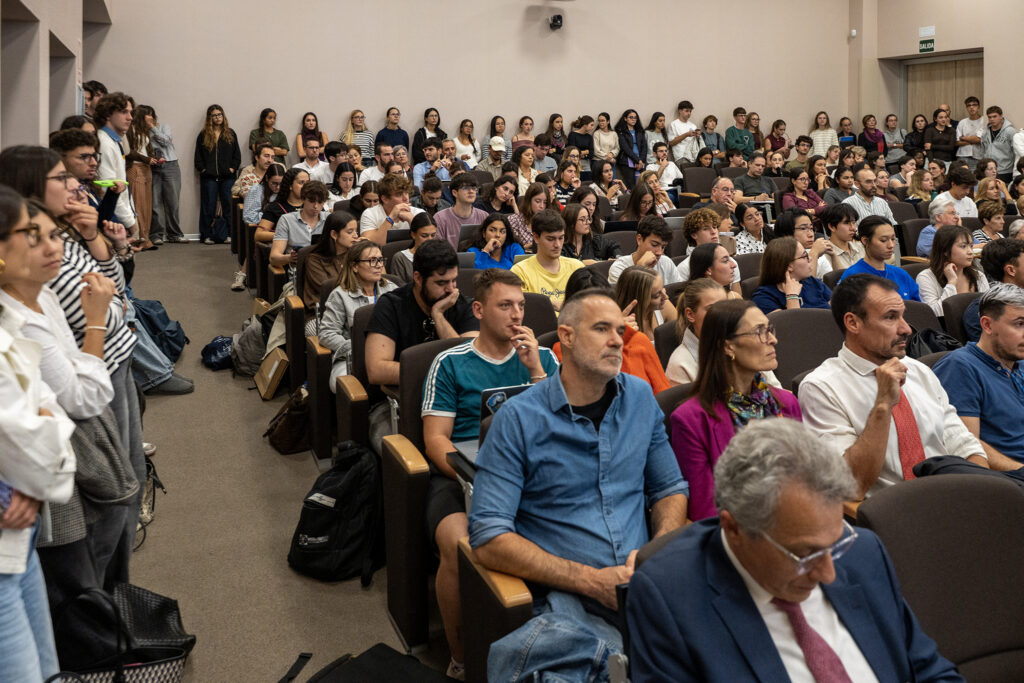
CEU Cardenal Herrera University and the Fundación Premios Rei Jaume I jointly organised the ‘Geriatrics’ conference, which featured several specialists in the field who spoke to a packed hall, thanks to the prestige of the participants. The keynote speaker was Dr Álvaro Pascual-Leone, Professor of Neurology at Harvard Medical School in Boston (USA), who spoke on ‘Vulnerability to memory decline with ageing’. Dr Pascual-Leone has served on the jury for the Rei Jaume I Prizes on several occasions and praised the foundation’s track record and its role in the advancement of science in Spain. During his talk, he presented evidence that the brain learns and changes throughout a person’s entire life. He explained that around the age of 55, certain as yet unknown processes begin which, in a growing number of people, lead to a change in the brain that, in one in two elderly people, results in cognitive decline. In many cases, this results in a form of dementia. “The rest of the elderly population have to care for those who are ill, which therefore affects everyone.” For this reason, he supports the WHO’s assertion that “we must prevent dementia and promote healthy ageing, or the social progress we have achieved will be lost, given the clear increase in the number of older people in developed countries.”
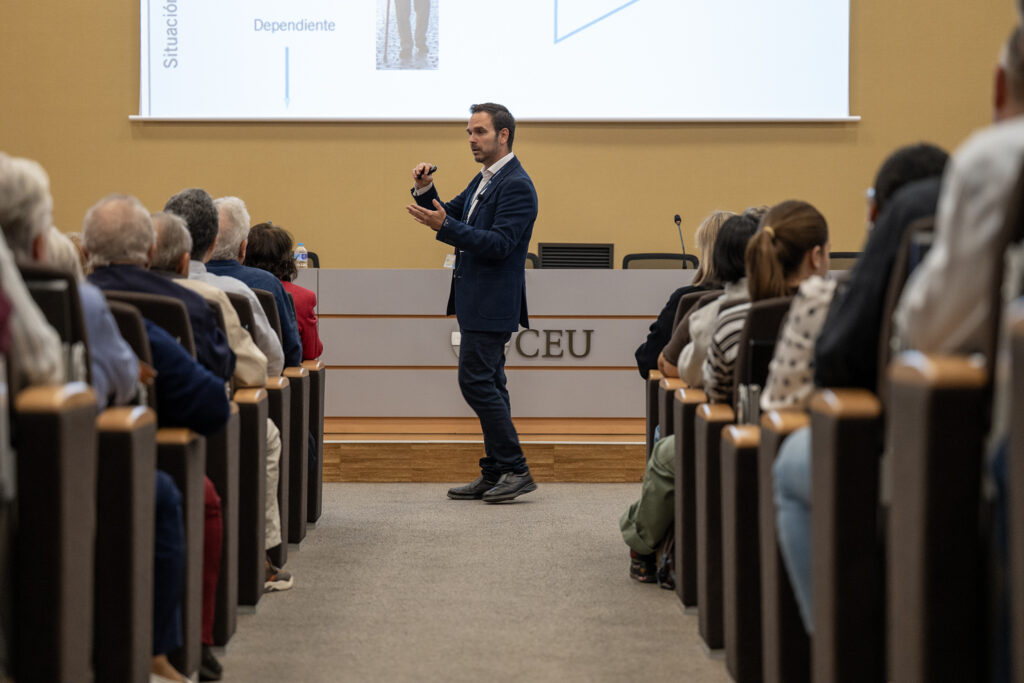
The day began with a presentation on ‘Comprehensive geriatric assessment as a care tool’, delivered by Miguel Picher, a visiting lecturer in the Department of Nursing. Dr Picher discussed the value of comprehensive geriatric assessment as a fundamental tool for care centred on older people. “This methodology,” said Dr Picher, “enables us to identify the most common geriatric syndromes and tailor clinical interventions and care to the actual needs of each patient, promoting more personalised, comprehensive and higher-quality care.”
Dr Vicente Benavent, assistant professor in the Department of Physiotherapy at CEU Cardenal Herrera University, provided an overview of the last ten years of development and implementation of multi-component physical exercise programmes for older people – both those in care homes and those living in the community – developed by his team. His presentation was entitled “From the community setting to the care home: implementation of recreational physical exercise programmes for older people”. He highlighted his most recent recreational exercise programme, FEXO, and its integration into the +SALUD Mayores initiative, currently being rolled out in the community, which has demonstrated that, if exercise is enjoyable, outcomes for older people improve.
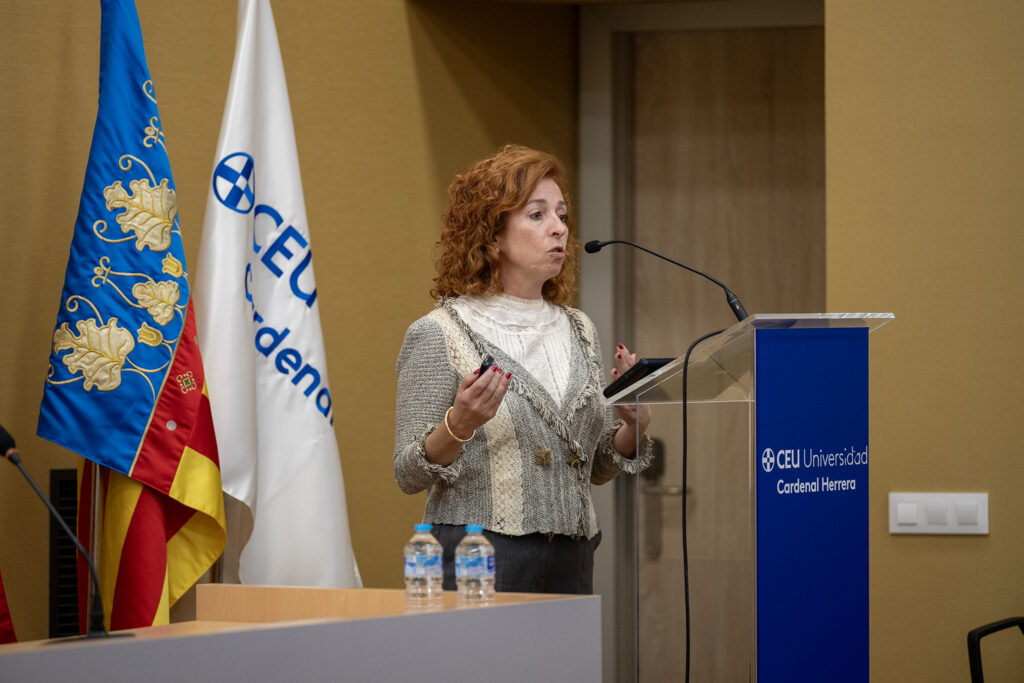
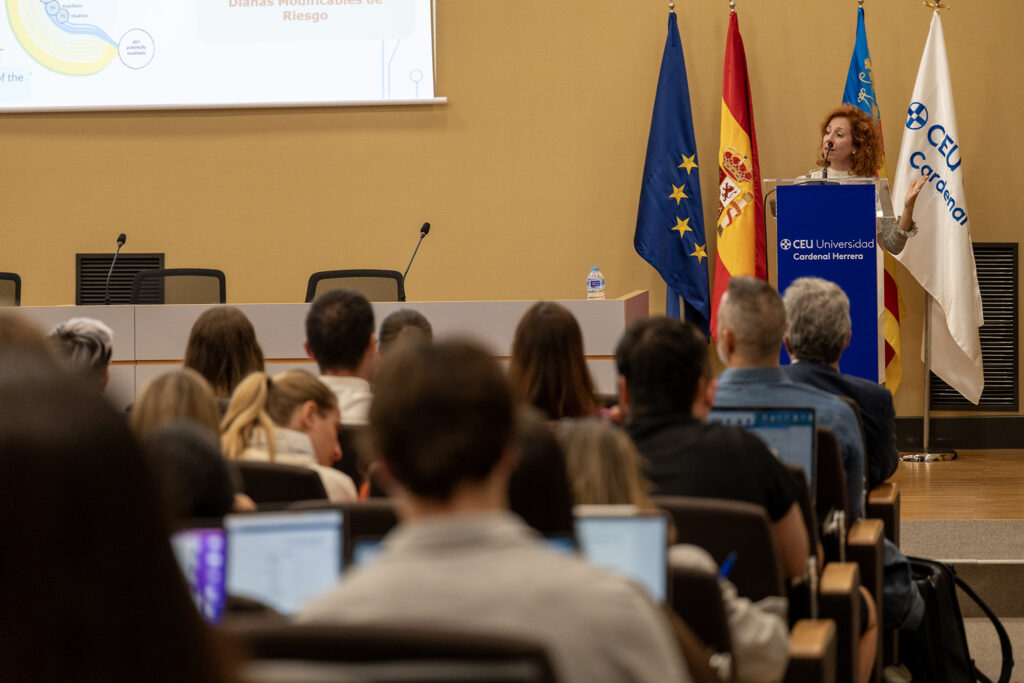
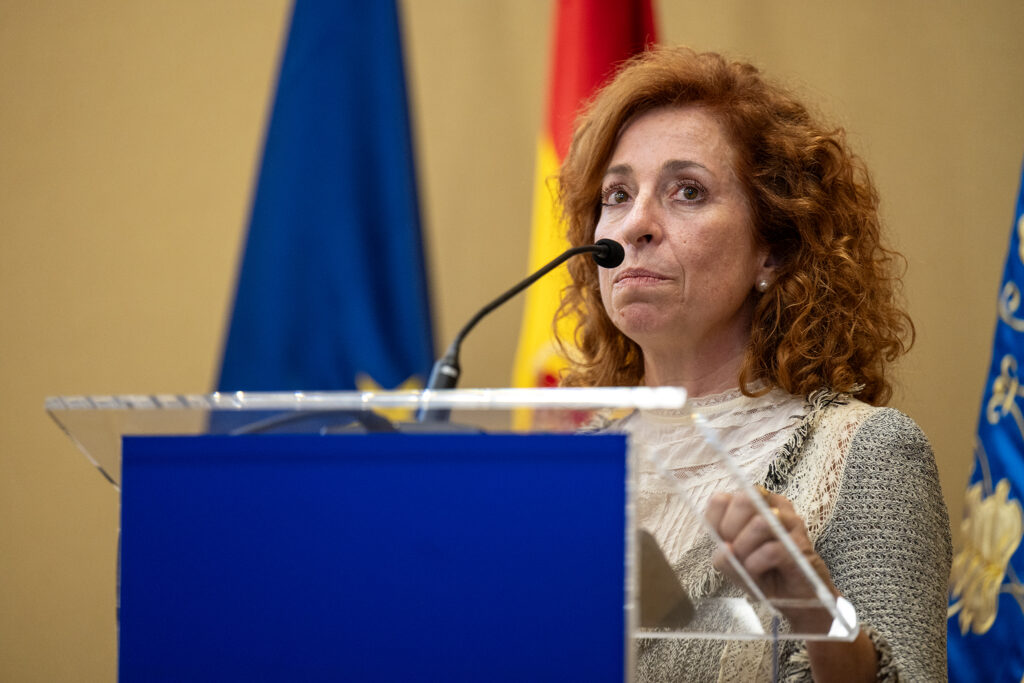
Dr Lucrecia Moreno, a professor in the Department of Pharmacy, spoke about ‘Earlydetection of cognitive decline in community pharmacies: results from the DeCo Chair’, an initiative developed by her research group, sponsored by the College of Pharmacists, in which pharmacies contribute to the early detection of cognitive decline, given that patients’ visits to the pharmacy – particularly those taking multiple medications – outnumber their visits to the doctor. “That neighbourhood atmosphere,” explained the professor, “facilitates the identification of the problem up to two years before the patient consults a doctor about their memory lapses, and, once referred by the pharmacy to a GP, delays the onset of these symptoms.” To explain her approach, which has resulted in numerous articles, the doctor stated that “the DeCo MICOF-CEU UCH Chair promotes an innovative model that integrates cognitive screening, medication review and artificial intelligence into community pharmacies, making the pharmacist a key player in the early detection of dementia and linking the pharmacy to the healthcare system.”
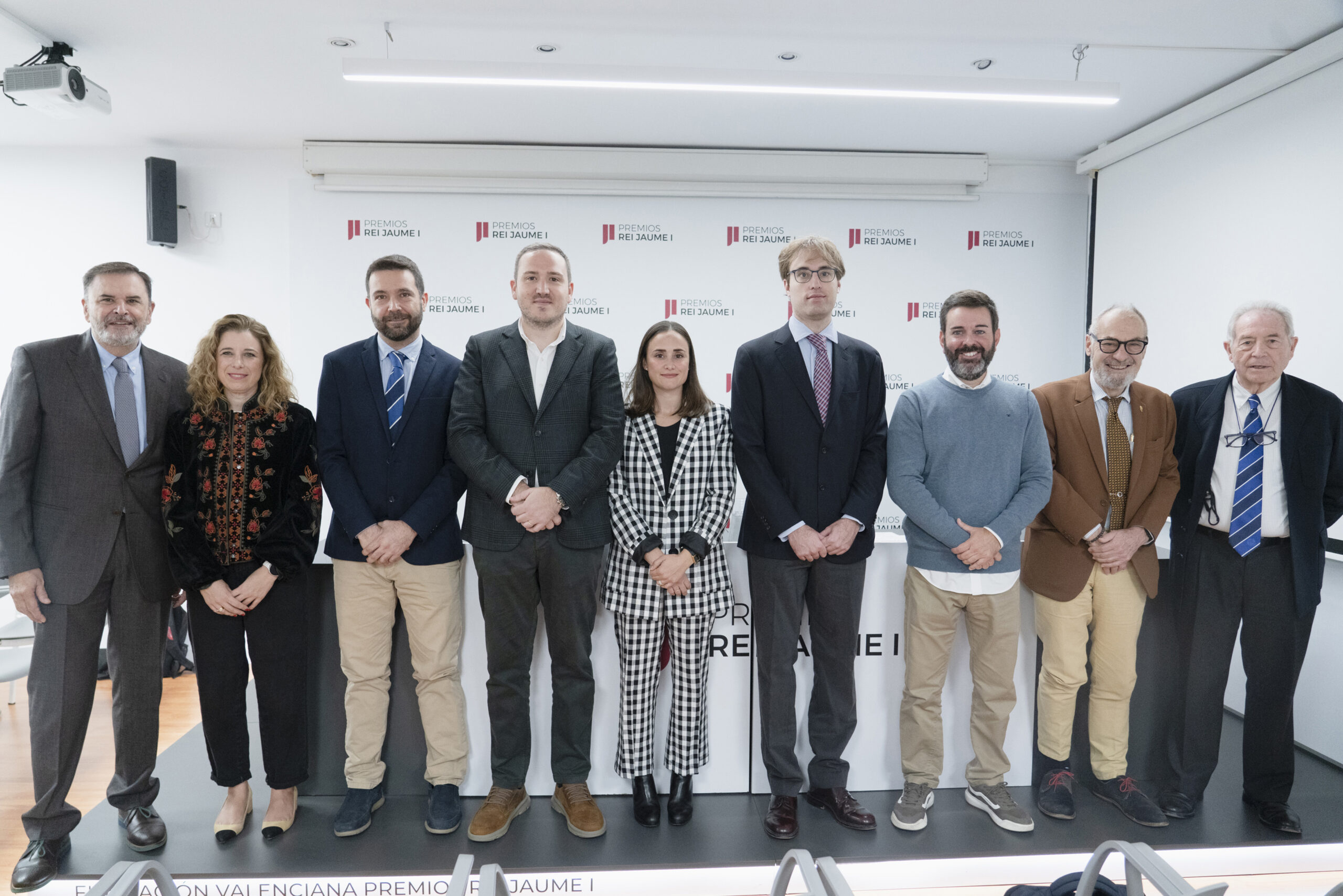
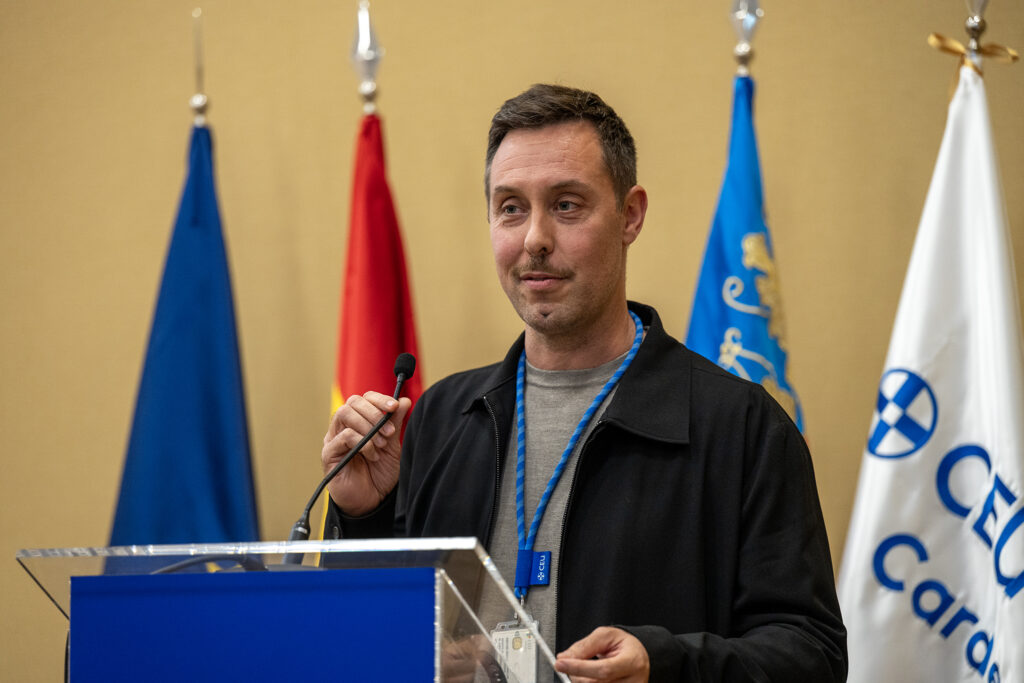
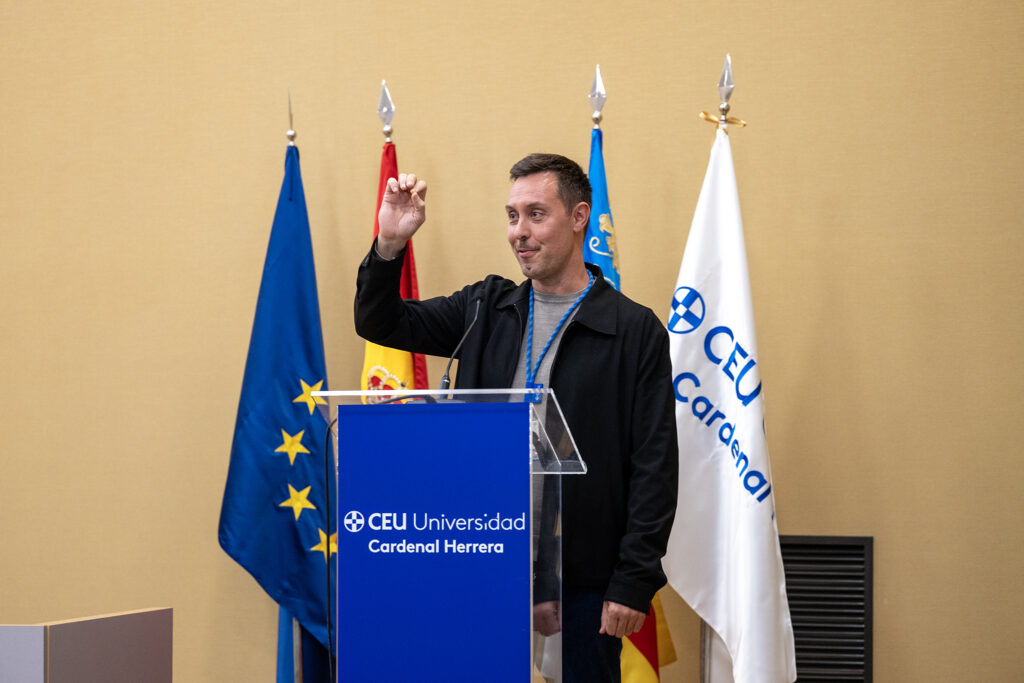
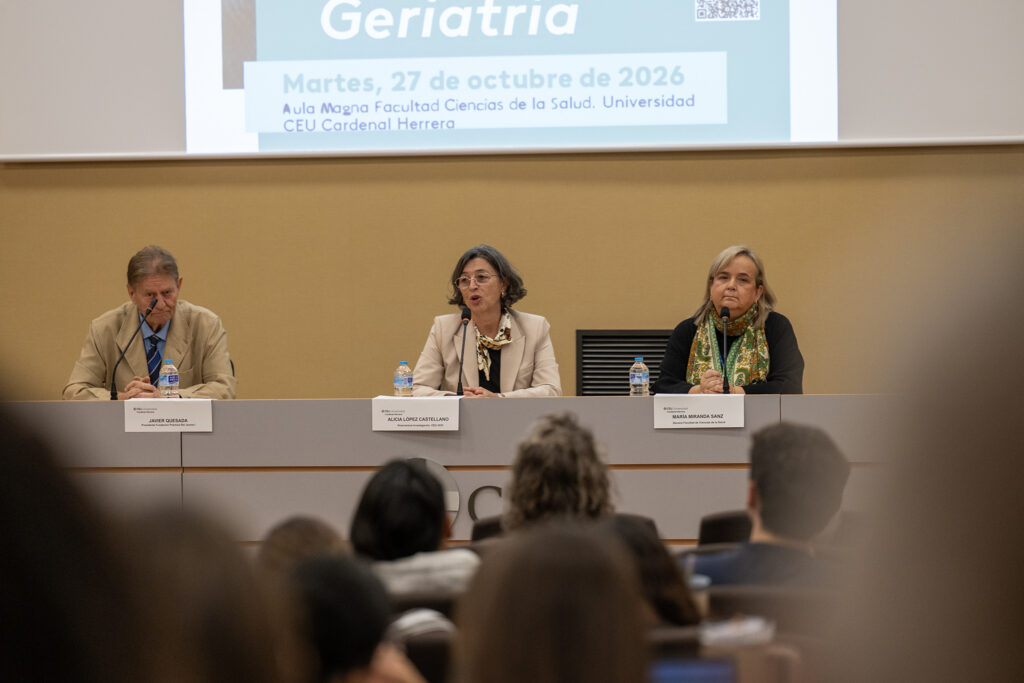
The opening ceremony was presided over by Alicia López Castellano, Vice-Rector for Research at CEU Cardenal Herrera University; Javier Quesada, Executive President of the Rei Jaume I Prizes; and María Miranda, Dean of the Faculty of Health Sciences.
If you’d like to watch the recording of the event, visit our YouTube page below… and follow us!
Utilizamos cookies propias y de terceros para analizar nuestros servicios y mostrarte publicidad relacionada con tus preferencias en base a un perfil elaborado a partir de tus hábitos de navegación (por ejemplo, páginas visitadas). Puedes obtener más información y configurar tus preferencias aquí.
Este sitio web utiliza cookies para mejorar su experiencia mientras navega por el sitio web. De estas, las cookies que se clasifican como necesarias se almacenan en su navegador, ya que son esenciales para el funcionamiento de las funcionalidades básicas del sitio web. También utilizamos cookies de terceros que nos ayudan a analizar y comprender cómo utiliza este sitio web.
Estas cookies se almacenarán en su navegador solo con su consentimiento. También tiene la opción de optar por no recibir estas cookies. Pero la exclusión voluntaria de algunas de estas cookies puede afectar su experiencia de navegación.