“We must prevent dementia and promote healthy ageing, or the social progress we have achieved will be lost,” says specialist Álvaro Pascual-Leone

The renowned neurologist from Harvard University is taking part in the conference on geriatrics organised by the Fundación Premios Rei Jaume I and CEU Cardenal Herrera University
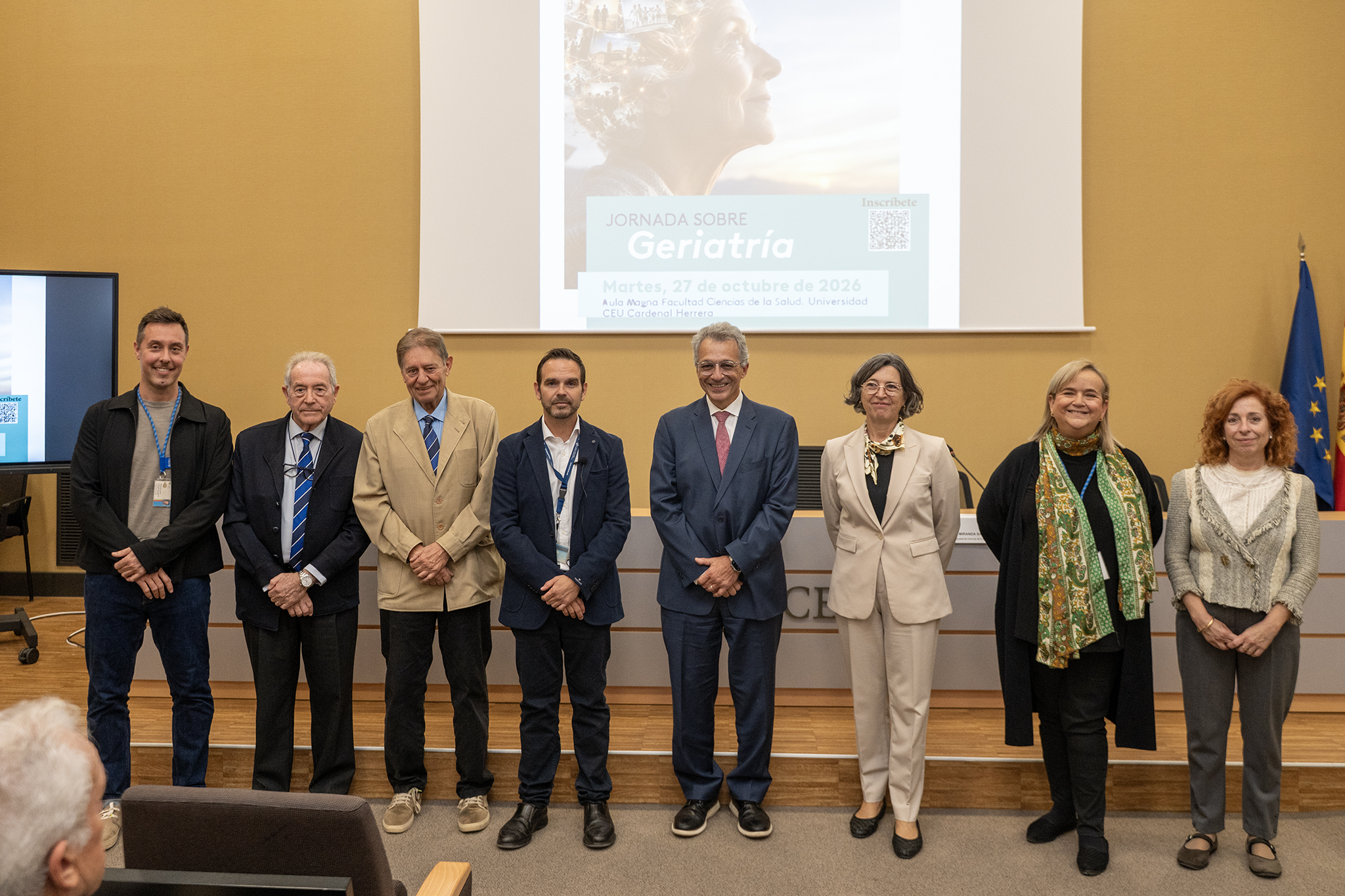
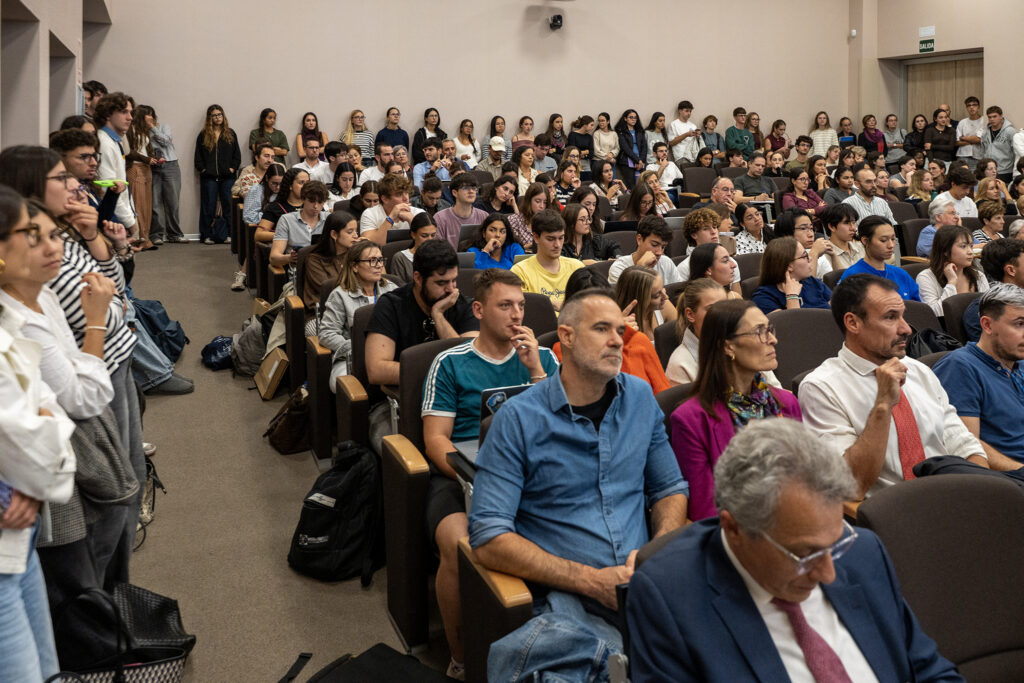
CEU Cardenal Herrera University and the Fundación Premios Rei Jaume I jointly organised the ‘Geriatrics’ conference, which featured several specialists in the field who spoke to a packed hall, thanks to the prestige of the participants.
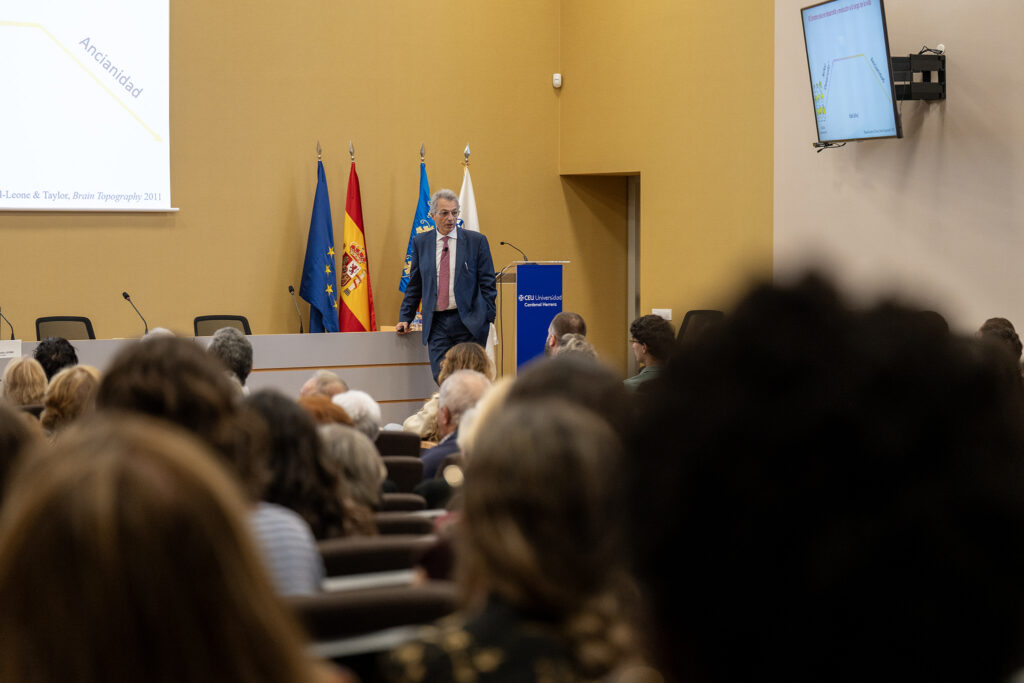
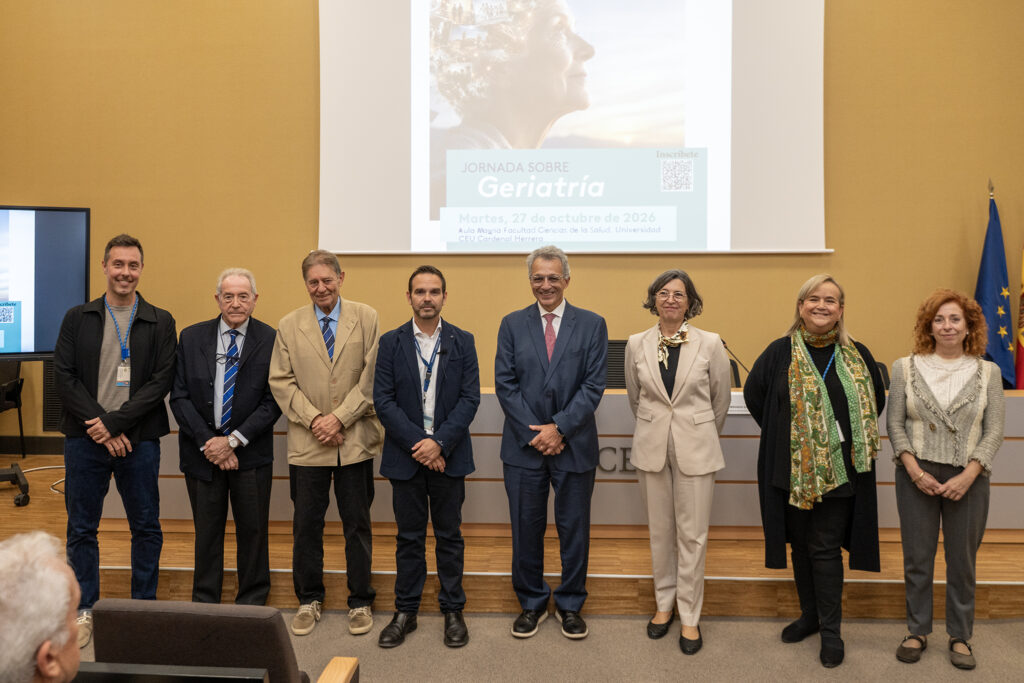
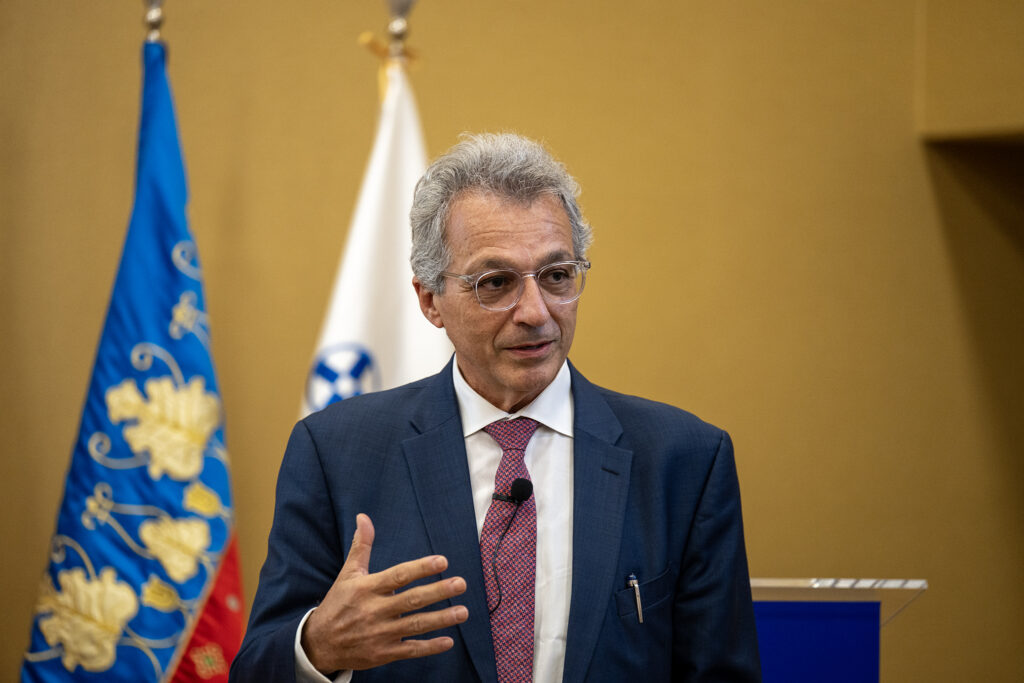
The keynote speaker was Dr Álvaro Pascual-Leone, Professor of Neurology at Harvard Medical School in Boston (USA), who spoke on ‘Vulnerability to memory decline with ageing’. Dr Pascual-Leone has served on the jury for the Rei Jaume I Prizes on several occasions and praised the foundation’s track record and its role in the advancement of science in Spain.
During his talk, he presented evidence that the brain learns and changes throughout a person’s entire life. He explained that around the age of 55, certain as yet unknown processes begin which, in a growing number of people, lead to a change in the brain that, in one in two elderly people, results in cognitive decline. In many cases, this results in a form of dementia. “The rest of the elderly population have to care for those who are ill, which therefore affects everyone.” For this reason, he supports the WHO’s assertion that “we must prevent dementia and promote healthy ageing, or the social progress we have achieved will be lost, given the clear increase in the number of older people in developed countries.”
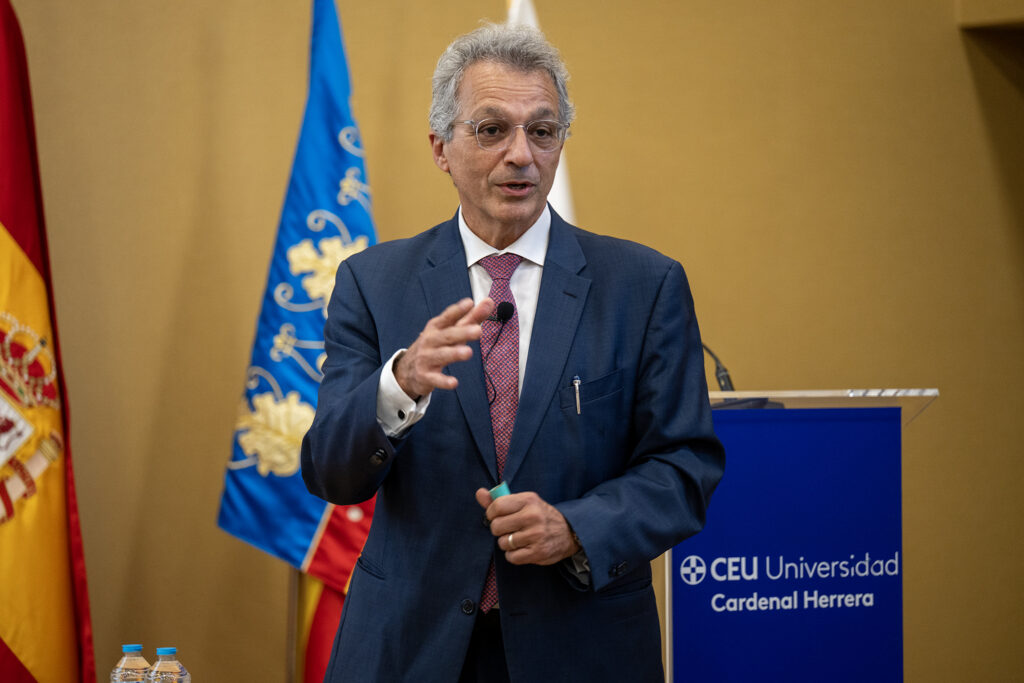
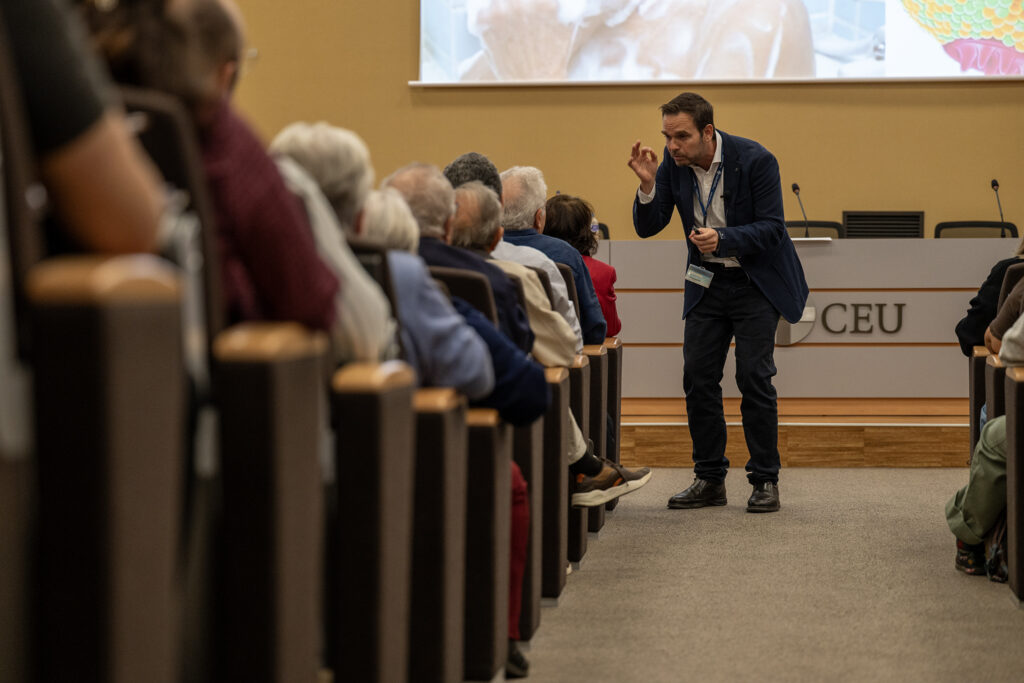
The day began with a presentation on ‘Comprehensive geriatric assessment as a care tool’, delivered by Miguel Picher, a visiting lecturer in the Department of Nursing. Dr Picher discussed the value of comprehensive geriatric assessment as a fundamental tool for care centred on older people. “This methodology,” said Dr Picher, “enables us to identify the most common geriatric syndromes and tailor clinical interventions and care to the actual needs of each patient, promoting more personalised, comprehensive and higher-quality care.”
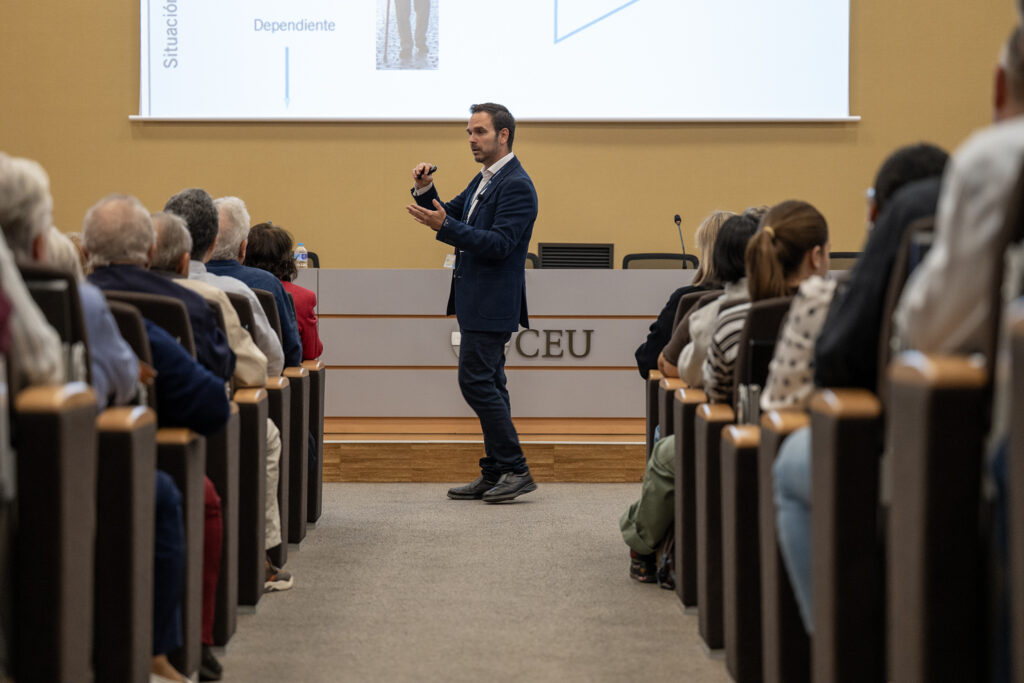
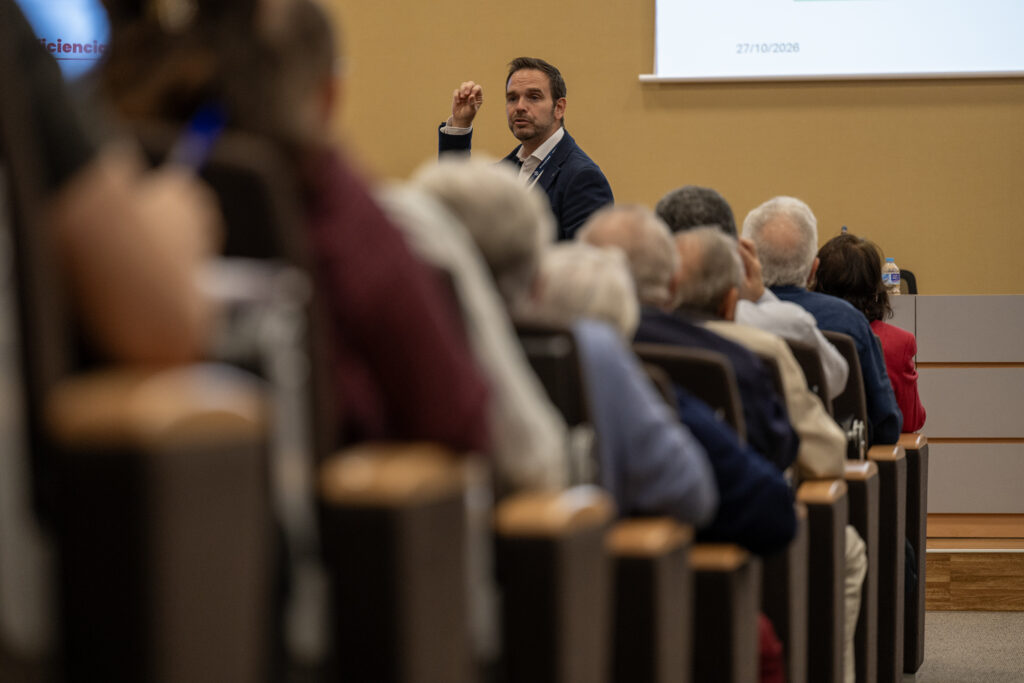
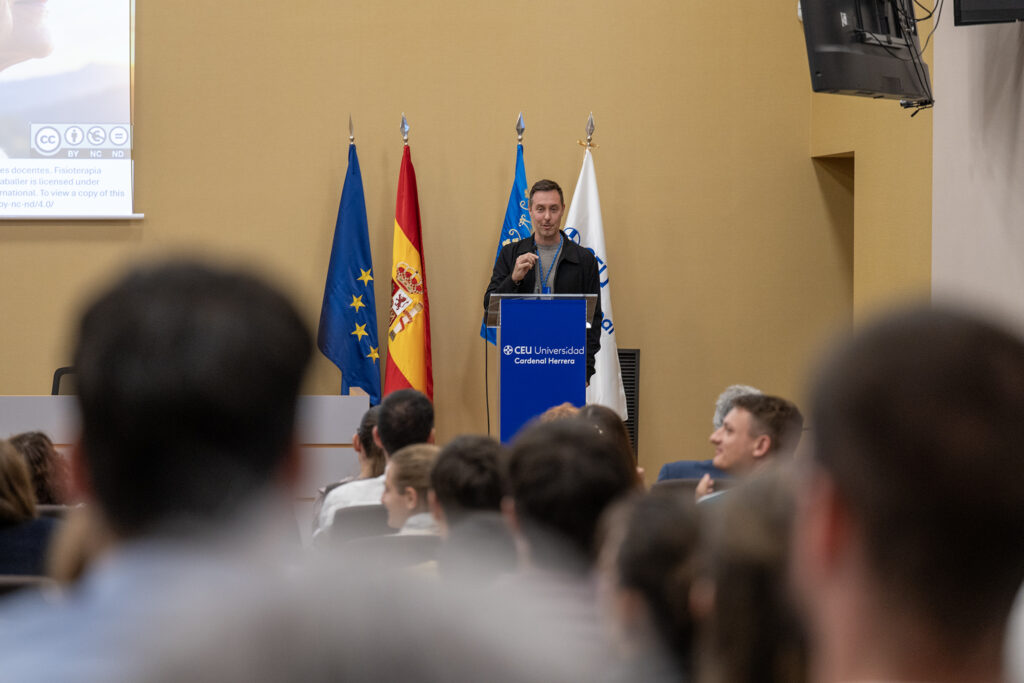
Dr Vicente Benavent, assistant professor in the Department of Physiotherapy at CEU Cardenal Herrera University, provided an overview of the last ten years of development and implementation of multi-component physical exercise programmes for older people – both those in care homes and those living in the community – developed by his team. His presentation was entitled “From the community setting to the care home: implementation of recreational physical exercise programmes for older people”. He highlighted his most recent recreational exercise programme, FEXO, and its integration into the +SALUD Mayores initiative, currently being rolled out in the community, which has demonstrated that, if exercise is enjoyable, outcomes for older people improve.
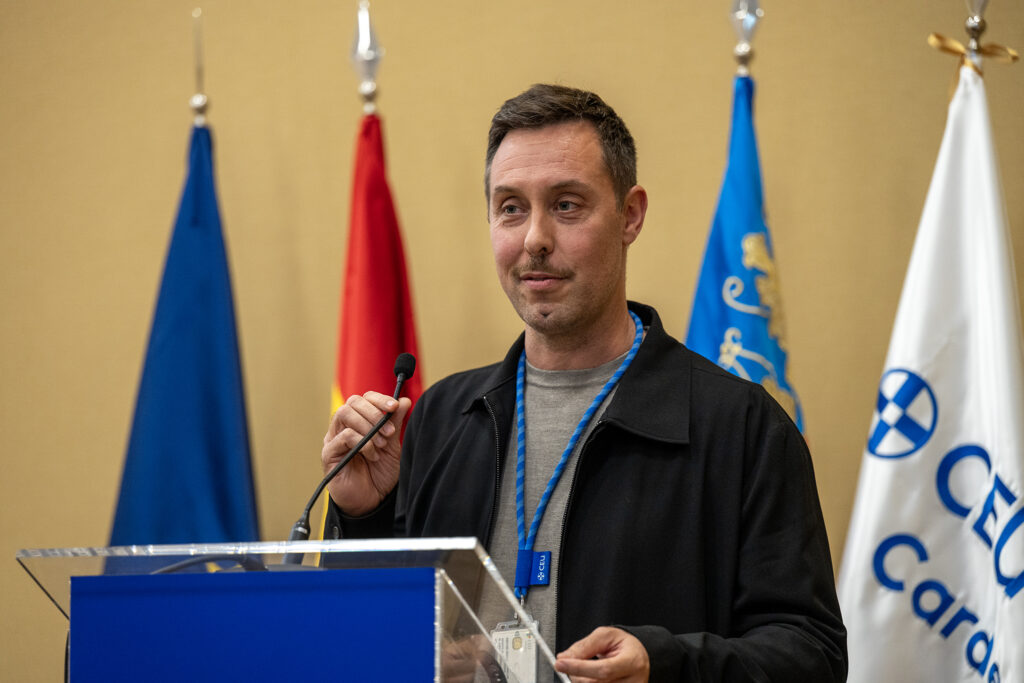
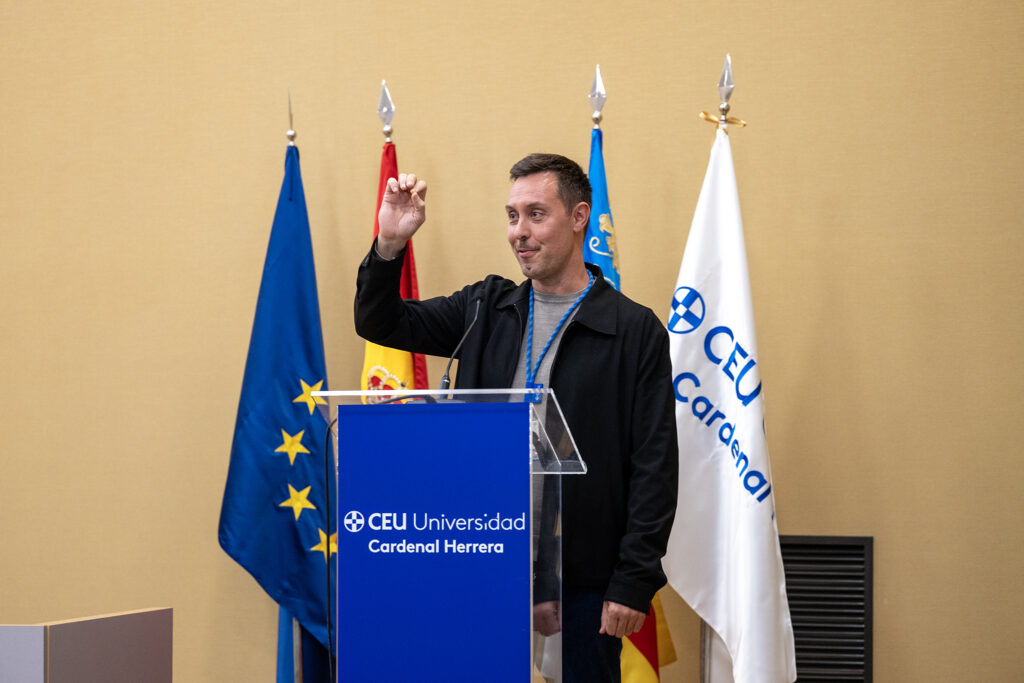
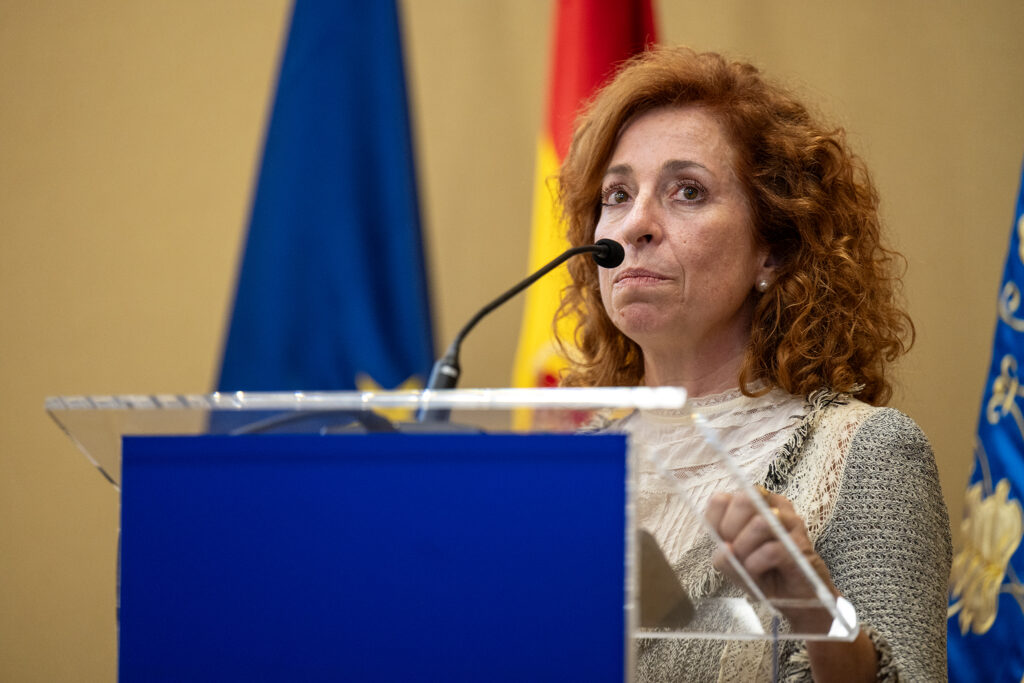
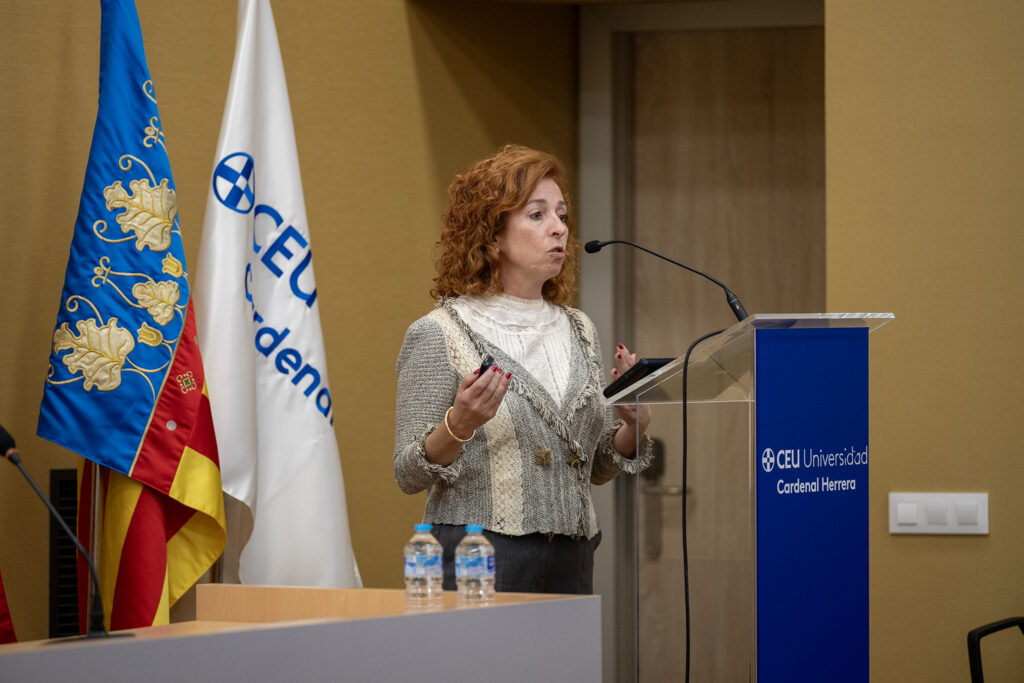
Dr Lucrecia Moreno, a professor in the Department of Pharmacy, spoke about ‘Early detection of cognitive decline in community pharmacies: results from the DeCo Chair’, an initiative developed by her research group, sponsored by the College of Pharmacists, in which pharmacies contribute to the early detection of cognitive decline, given that patients’ visits to the pharmacy – particularly those taking multiple medications – outnumber their visits to the doctor. “That neighbourhood atmosphere,” explained the professor, “facilitates the identification of the problem up to two years before the patient consults a doctor about their memory lapses, and, once referred by the pharmacy to a GP, delays the onset of these symptoms.”
To explain her approach, which has resulted in numerous articles, the doctor stated that “the DeCo MICOF-CEU UCH Chair promotes an innovative model that integrates cognitive screening, medication review and artificial intelligence into community pharmacies, making the pharmacist a key player in the early detection of dementia and linking the pharmacy to the healthcare system.”
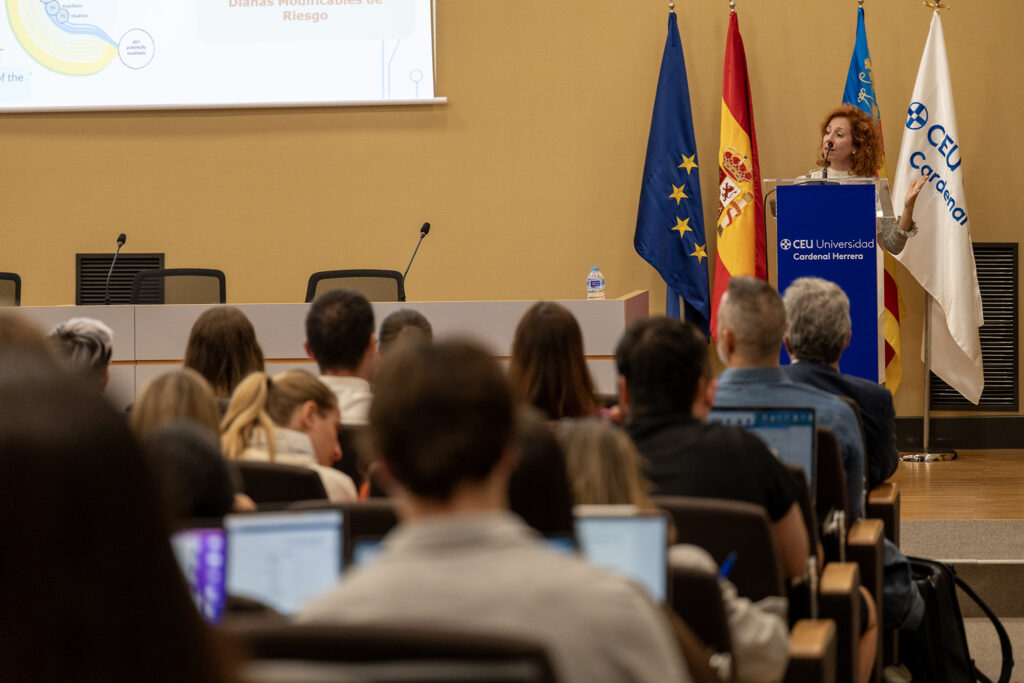
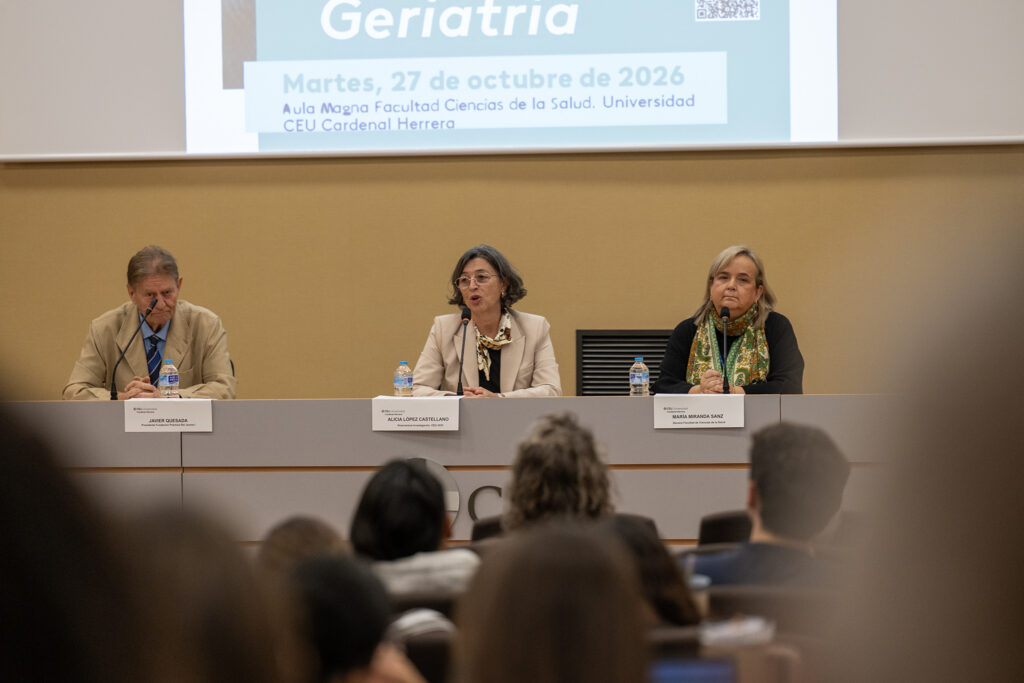
The opening ceremony was presided over by Alicia López Castellano, Vice-Rector for Research at CEU Cardenal Herrera University; Javier Quesada, Executive President of the Rei Jaume I Prizes; and María Miranda, Dean of the Faculty of Health Sciences.
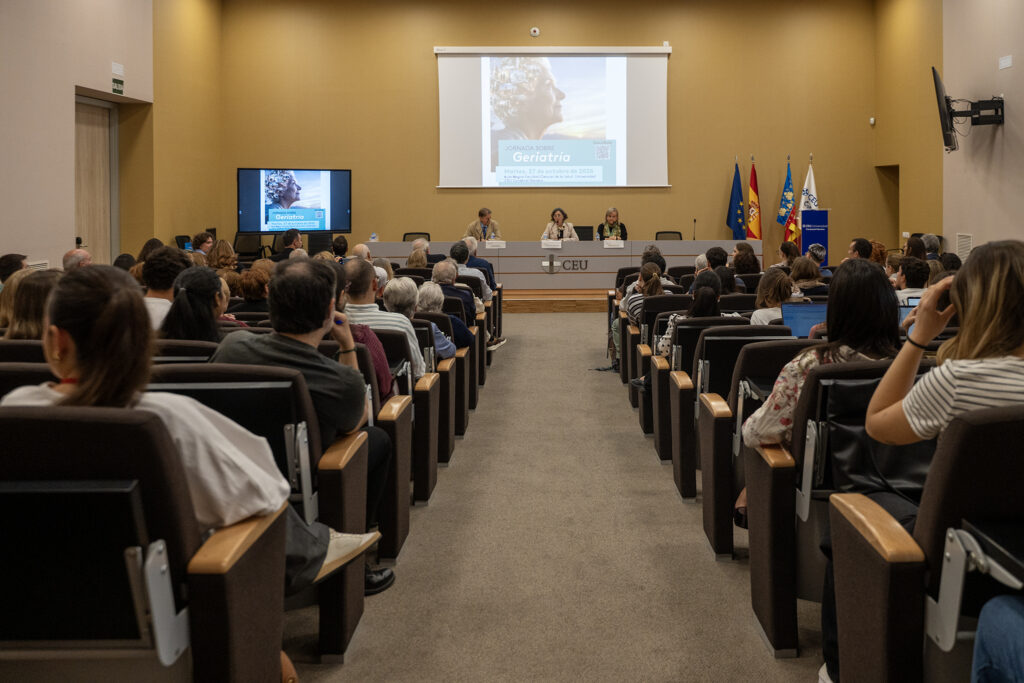
If you’d like to watch the recording of the event, visit our YouTube page below… and follow us!

The 38th edition of the Jury Meeting for the Rei Jaume I Prizes will take place on 1 and 2 June

The Foundation is promoting the “Anti Rei Jaume I Prizes” campaign to highlight the obstacles that hold back scientific and entrepreneurial talent

  • A total of 25 Nobel laureates will sit on the jury for this year’s awards, the highest number in the awards’ history.
  • A total of 240 nominations have been submitted this year for the 2026 Rei Jaume I Prizes, of which 28 per cent are from women.

On 1 and 2 June, the traditional Jury Meeting will be held in Valencia to select the seven winners of the 38th Rei Jaume I Prizes 2026 in the following categories: Basic Research, Economics, Biomedical Research, Clinical Research and Public Health, Environmental Protection, New Technologies and Entrepreneurial Revelation.

The chief executive and secretary, Javier Quesada, and the president of the Fundación Valenciana Premios Rei Jaume I, Vicente Boluda, were responsible for announcing the latest developments for this year’s edition.

During his speech, Vicente Boluda emphasised that “this will be the edition with the highest number of Nobel Laureates ever to sit on the juries, with a total of 25”, thereby cementing the Rei Jaume I Prizes’ status as “the largest gathering of Nobel Laureates in Europe at an event of this kind”.

Boluda also highlighted as one of this year’s new developments that “Valencia City Council will host an official reception for the Nobel Laureates and members of the jury, thereby strengthening the city’s ties with science, research and entrepreneurship”.

This year’s jury will comprise around a hundred people, including 25 Nobel Laureates from various disciplines. Among the international laureates attending for the first time this year are Dr Benjamin List, winner of the 2022 Nobel Prize in Chemistry (Germany), and Dr Gary Ruvkun, winner of the 2024 Nobel Prize in Medicine (United States).

Furthermore, the Foundation wished to highlight the role played by the Advisory Council, the advisory body for the Rei Jaume I Prizes, which brings together leading figures from the scientific, academic and business communities and which will meet again during the Jury Meeting.

240 nominations are in the running for the prizes

A total of 240 people are in the running this year to become one of the seven winners of the Rei Jaume I Prizes, which are dedicated to promoting research, science and entrepreneurship in Spain. Of these, 67 are women, representing around 28 per cent of the total.

By category, Basic Research has received 44 nominations; New Technologies and Entrepreneurial Revelation have 42 nominations each; Clinical Research and Public Health have 33; Biomedical Research has 32; Environmental Protection has 31; and Economics has 16 nominations.

Visits to research centres and support for local authorities affected by the cold front

As every year, as part of the programme of events for the Nobel Prizes, the members of the jury will visit various research centres, universities and institutes in the Comunitat Valenciana.

Furthermore, this year they will once again visit a school affected by the 2024 DANA. On this occasion, Nobel Laureate Barry Barish will visit the IES Salvador Gadea in Aldaia, where he will be able to share his experiences with pupils and staff.

Monday’s programme will also include the traditional lunch attended by Nobel Laureates, juries and young PhD students and postgraduates from Valencian universities, as well as a number of symposia focusing on economics, biomedicine and the basic sciences.

As a new feature of this year’s event, the Mayor of Valencia will host an official reception at the City Hall for the Nobel Laureates and members of the jury, followed by a guided tour of the City Hall building.

The following day, 2 June, the programme will remain unchanged from previous years; the day will begin at the High Readiness Land Forces Headquarters (CGTAD), formerly the General Command, with the reading of the “Jury Declaration”. This will be followed by the jury meetings, during which they will deliberate on the seven winners of the 38th edition. Afterwards, the winners will be announced at the Palau de la Generalitat.

‘Anti-Rei Jaume I Prizes’ campaign

To coincide with the 38th edition of the event, the Foundation has also unveiled this year’s creative campaign, based on the concept of the ‘Anti Rei Jaume I Prizes’.

The initiative aims to highlight the difficulties and obstacles still faced by scientists, researchers and entrepreneurs in Spain, focusing on issues such as a lack of funding, job insecurity and the brain drain.

“We have been recognising talent and calling for greater support for science and entrepreneurship for almost 40 years. This year, we wanted to turn that approach on its head and highlight precisely what is holding that talent back,” explained Javier Quesada.

The campaign uses the figure of Rei Jaume I as its symbol, coinciding with the 750th anniversary of his death, although reinterpreted from a critical perspective. “Whilst we usually depict Rei Jaume I on horseback, this year we wanted to show exactly the opposite: the burden and difficulties faced by our scientists and Entrepreneurs in carrying out their projects,” said Quesada.

“I hope these anti-prizes won’t be held again, because that would mean that, at last, we would have secured the support and visibility that science and entrepreneurship deserve,” he concluded